
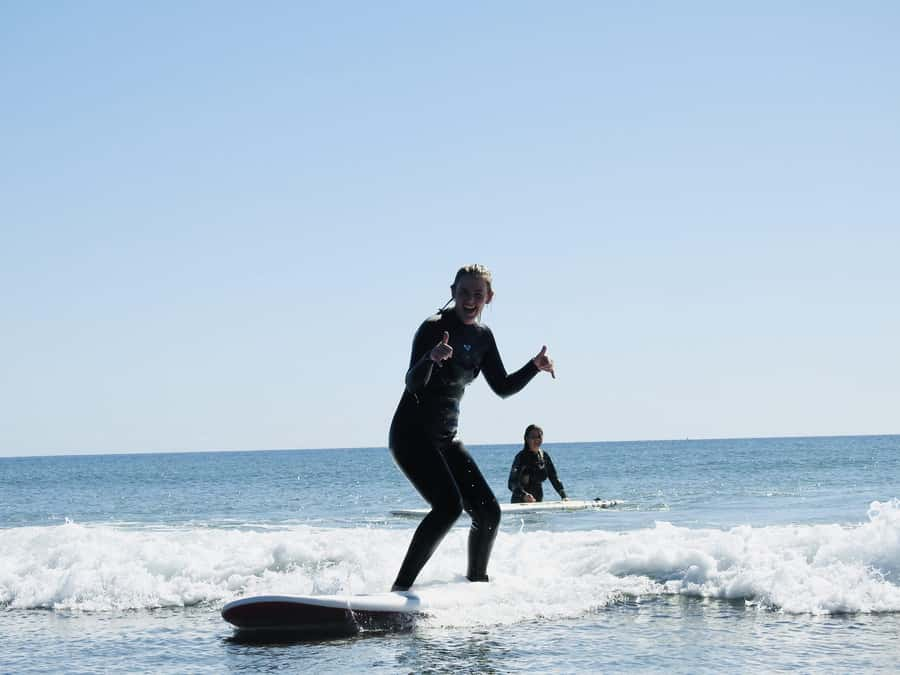
Review · NEW ZEALAND
Mount Maunganui: Group Beginner Surf Lesson
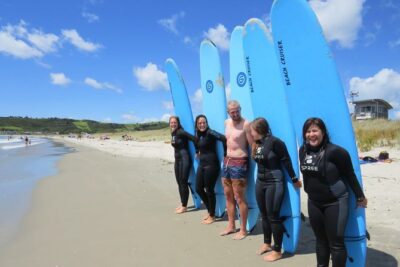
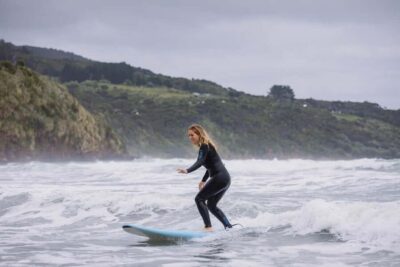
Mount Maunganui makes a fine place to try surfing because the lesson is built around beginner-friendly waves and a steady introduction to ocean skills. You start on land with safety, surf etiquette, paddling, and equipment, then work on the key move: getting from lying down to standing up.
I like the small coach-to-student ratio, which gives you a better chance of receiving useful tips rather than simply following a crowd. I also like that the surfboard and wetsuit are included, keeping the $47 price easy to understand. The main consideration is that this is an ocean activity, so weather can force a delay or cancellation, and you must be comfortable in the water.
Key points to know before booking
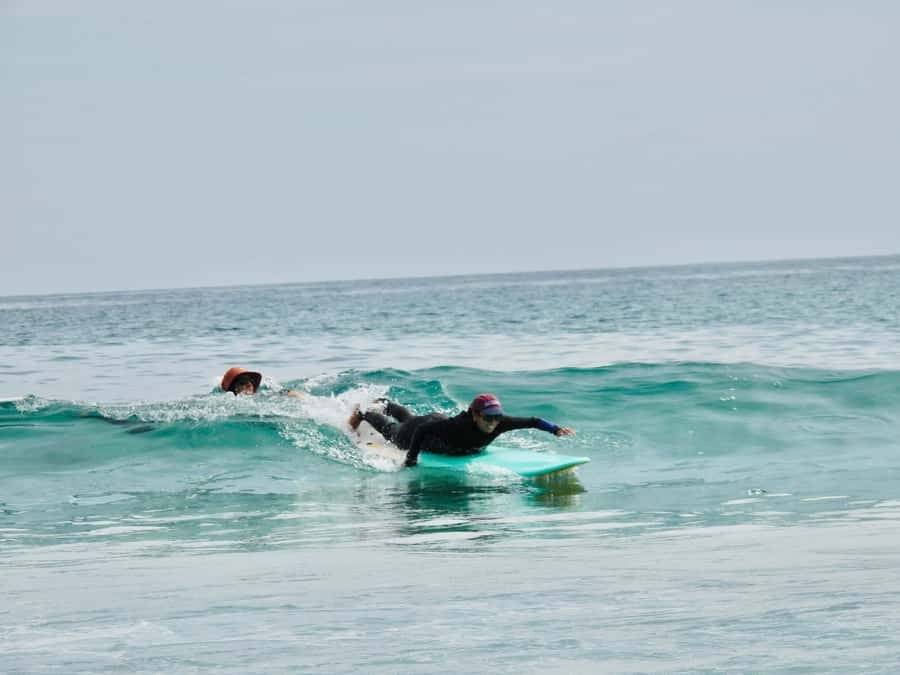
- A full 90-minute first lesson: You cover safety and technique before heading into the water, leaving time to practise rather than rush through a quick introduction.
- Board and wetsuit included: Bring swimwear and a towel, then get fitted for the supplied equipment.
- Small groups help with technique: Coaches can offer personal pointers on paddling, timing, and standing up.
- Patient instruction for nervous beginners: Dean and Bailey are among the coaches praised for helping first-timers stay calm and catch early waves.
- Meet beside Mount Maunganui Beach: The Mount Surf School HQ is opposite 27 Marine Parade, marked by the school tent.
Why Mount Maunganui works for a first surf lesson
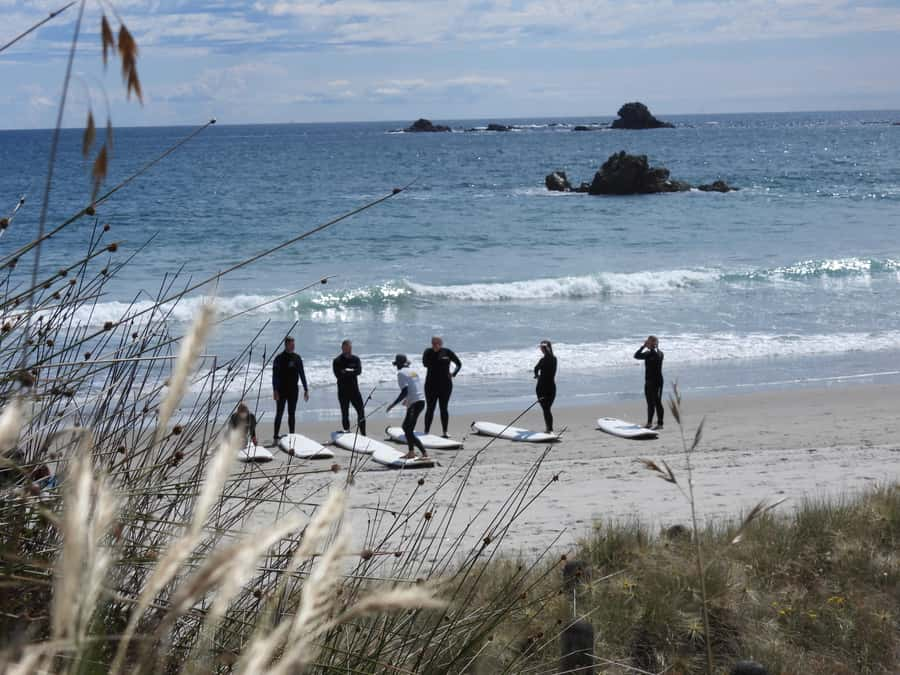
Surfing can look simple from the beach: lie on the board, paddle, stand, and glide. In practice, the timing takes work. This lesson breaks the process into manageable pieces, which is exactly what you want when you are still learning how to handle a board and read a wave.
Mount Maunganui Beach is described as a strong setting for first lessons, with relatively shallow water in the teaching area. That does not remove the need for care, but it can make the first session feel less intimidating, especially if you have never been in the ocean before.
You will not be left to figure everything out alone. The instructor first explains how the equipment works and how to behave around other surfers. That matters because surf etiquette is part of basic safety, not just a set of rules for experienced riders.
The tone is meant to be non-judgemental. You can expect mistakes, splashes, and a fair amount of laughter. If you are worried about looking awkward, remember that standing up on a surfboard is the hard part for nearly every beginner. The lesson is designed to make those early attempts feel normal.
More Beginner Surf Lessons in New Zealand:
- Beginner Surf Lesson at Te Arai Beach
★ 5.0 · 6 reviews - Group Beginner Surf Lesson in Mount Maunganui
★ 5.0 · 2 reviews - Greymouth: 2-Hour Beginner Surf Lesson
★ 4.5 · 2 reviews
Arriving at the Mount Surf School tent
The meeting point is the Mount Surf School HQ, opposite 27 Marine Parade. Look for the school tent. You should arrive 15 minutes before the scheduled start, giving yourself time to check in, get changed, and be fitted for a wetsuit.
Transportation is not included, so plan your route to Marine Parade before the lesson day. Food and drinks are also not included. For a 90-minute activity, this is not a major issue, but you may want to bring water for before or after the session.
Your practical packing list is short:
- Swimwear
- Towel
The school provides the surfboard and wetsuit. That saves you from hiring bulky equipment separately and makes this a simple activity to add to a day at Mount Maunganui Beach.
The activity is taught in English. If you are booking for several people, remember that the lesson is still aimed at beginners, not at mixed-level surfing practice for advanced riders.
The first part of the lesson: safety and surf etiquette
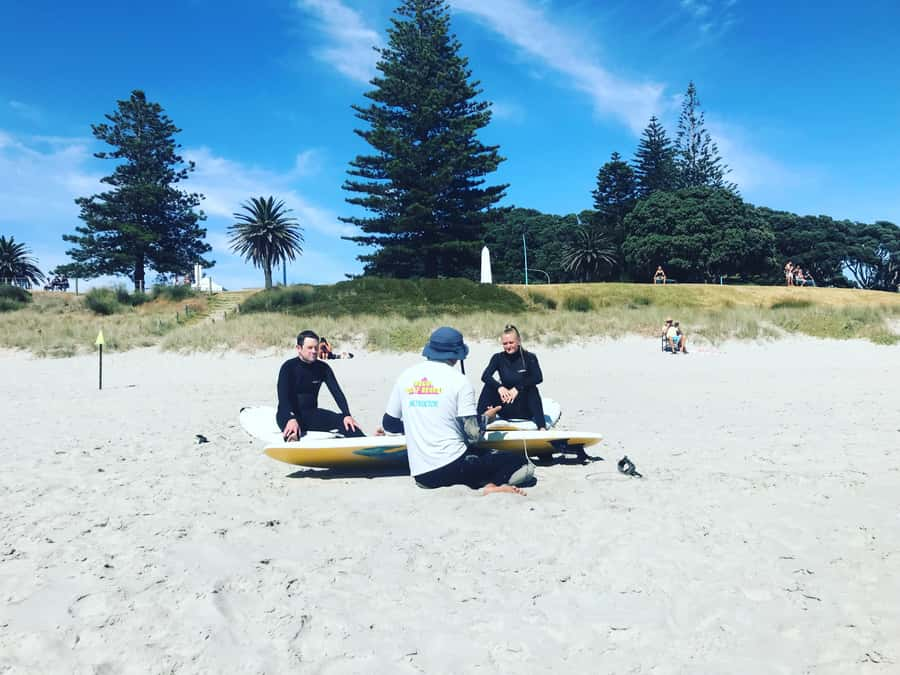
The lesson begins with a safety briefing. This is one of the most useful parts for a complete beginner because the ocean has its own rules, and a good first explanation can prevent confusion later.
You learn how to handle the board, how to paddle, and how to position yourself. You also receive an introduction to surf etiquette. That includes the basic idea of being aware of other people in the water and avoiding careless board movements.
The instructor then explains the standing technique. You will likely practise the motion before attempting it on a moving wave. The important point is not to expect instant perfection. Your first success may be a brief crouch or a short ride, and that still gives you useful information about balance and timing.
The coaches are described as highly qualified, with a focus on small groups. In practical terms, that means you should have more access to correction than you would in a large class. A quick adjustment to foot position or body angle can make the difference between sliding off and staying upright.
Getting fitted and moving into the water
After the land-based briefing, you get changed into the supplied wetsuit and take your board to the beach. A wetsuit helps with comfort in the water, and having one included keeps the booking straightforward.
The board is supplied as part of the lesson too. You do not need to arrange a separate rental or decide which type of board is suitable. For a first attempt, that removes one more decision from the day.
You should be comfortable in the water before booking. The activity is not suitable for non-swimmers, and the school specifically advises participants to be comfortable in the water. This is an important distinction: you do not need prior surf experience, but you do need enough confidence in the water to follow instructions and manage the conditions.
The activity may be rescheduled or cancelled because of bad weather. Surfing depends on safe conditions, so this flexibility is sensible. Check the forecast, but do not treat a change of plan as a failure of the experience. If the sea is unsuitable, postponing is the responsible choice.
More Surf Lessons around New Zealand:
- 2 Hour Surf Lesson – Te Arai Beach
★ 5.0 · 119 reviews - Raglan: Group Surf Lesson
★ 5.0 · 79 reviews - Auckland: Group Surfing Lesson with Muriwai Surf School
★ 4.9 · 34 reviews - Queenstown: White Water Surfing Along the Kawarau River
★ 4.6 · 30 reviews
Learning to paddle and catch the first wave
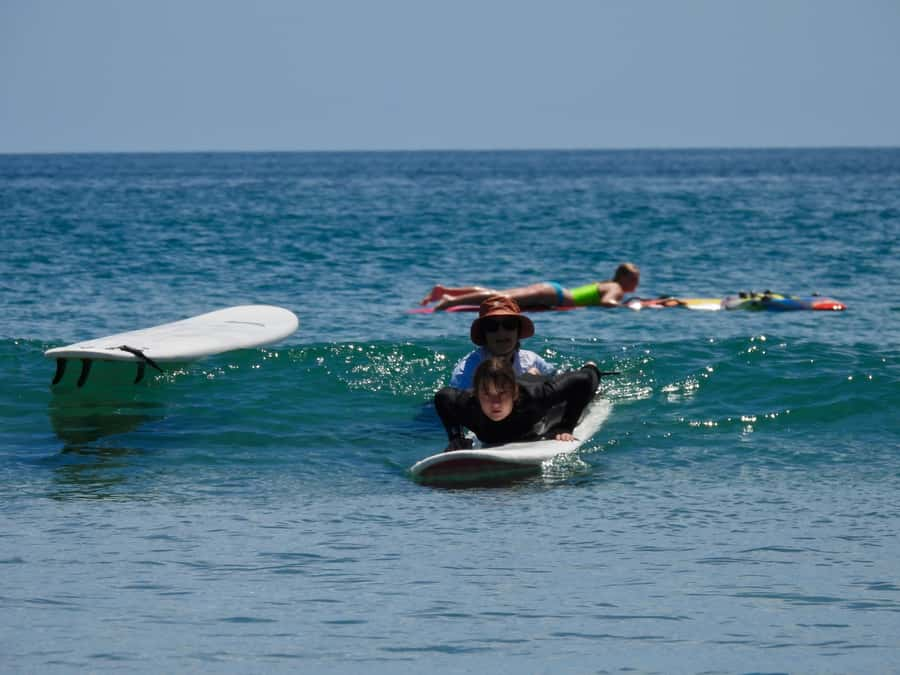
Once in the water, you work on paddling and positioning. These skills can seem basic, but they control whether you reach a wave at the right moment.
Your coach gives you pointers as you practise. The goal is not simply to push you onto a board. You learn enough about the process to understand what your body and board are doing. That makes the lesson more useful than a one-off attempt where you catch a wave without knowing why.
The shallow water described by one first-time participant may help nervous learners feel more secure. Still, conditions vary, and the school warns that weather can affect the session. Listen carefully to the instructor and follow directions about where to go and when to move.
The first successful ride is likely to be short. That is fine. The satisfaction comes from feeling the board move under you and recognising the moment when balance, paddling, and timing finally connect.
Coaches Dean and Bailey have been specifically praised for patience and hands-on guidance. Bailey helped one learner throughout the process, offering pointers while helping them catch their first waves. Dean is noted for keeping a complete beginner comfortable, explaining what to do, and helping them catch waves in water that felt manageable.
Those details matter because patience is more important than flashy instruction at this stage. A coach who notices nerves and explains the next step clearly can make the difference between enjoying the lesson and spending the whole session feeling out of place.
What the small-group format means for you
The group format keeps the price lower than a private lesson while still promising a small coach-to-student ratio. You will share the instructor’s attention, but you should receive personal tips during the practice.
That balance suits people who want guidance without paying for one-to-one coaching. It can also make the lesson more relaxed. You are not expected to perform perfectly in front of a private instructor, and you can learn alongside other beginners.
The tradeoff is that individual attention is never unlimited in a group. If you want a lesson built entirely around your own pace, questions, and physical needs, a private session might suit you better. That option is not described here, so do not assume it is available through this booking.
For most first-timers, the small group approach is a practical choice. You get instruction, equipment, and an organised introduction to surfing without committing to a longer course.
The $47 price and what it covers
At $47 per person, the lesson includes professional instruction, a surfboard, and a wetsuit. That is a useful package because the equipment is not an optional extra.
The value depends on what you need. If you already own a suitable board and wetsuit, the savings are less important, but you still receive organised coaching and safety guidance. If you are testing surfing for the first time, the included gear makes the cost easier to assess.
You are paying for 90 minutes, not a full day of surfing. That is enough time for an introduction, but do not book it expecting advanced technique or a long independent session afterward. The lesson is best viewed as a first step that helps you decide if you want more time on a board.
Food, drinks, and transportation are not included. Those costs are easy to plan for, but they should be part of your day budget. The reserve-now-and-pay-later option can also help if your New Zealand plans are still changing. Free cancellation is available up to 24 hours before the activity for a full refund.
Who should book this Mount Maunganui lesson?
I would recommend this lesson for:
- Adults and older children who are new to surfing
- People who want equipment included
- Nervous beginners who value patient instruction
- Visitors already spending time near Mount Maunganui Beach
- Anyone who wants a 90-minute introduction before paying for a longer surf course
The activity is not suitable for non-swimmers, pregnant women, people with back problems, people with recent surgeries, or anyone outside the stated age and health limits. The supplied information lists children under 10 as unsuitable, along with younger age limits, so families should treat this as an activity for participants aged 10 and over unless the provider confirms otherwise.
People over 95 are also listed as unsuitable. If you have a medical concern not covered by those guidelines, ask the provider before booking rather than relying on a general assumption about beginner surfing.
You should also be ready for physical effort. Paddling, getting onto the board, and repeated attempts to stand up take energy. The lesson is friendly in tone, but it is still an active water session.
What to bring and how to prepare
Wear swimwear under the wetsuit and bring a towel. Arrive early enough to avoid starting the lesson rushed or still trying to change.
I would also plan your day around the weather rather than treating this as a fixed indoor booking. If conditions are poor, the session can be rescheduled or cancelled. Keep some flexibility in your Mount Maunganui plans so a weather change does not disrupt your whole day.
You do not need to bring a surfboard or wetsuit. You do need to bring water confidence, attention, and a willingness to fall off the board several times while learning.
Do not bring pets, and smoking, alcohol, and drugs are not allowed during the activity. These rules are straightforward and fit the safety needs of a beach lesson.
Should you book the Mount Surf School lesson?
Book it if you want a supportive first attempt at surfing, especially if you have never handled a board before. The strongest reasons are the included equipment, small groups, 90-minute format, and clear focus on helping you catch an early wave without making the session feel competitive.
The lesson also suits nervous beginners. The experience of first-timers being kept comfortable in relatively shallow water, along with the praise directed at coaches such as Dean and Bailey, suggests that calm instruction is a central part of the session.
Think twice if you are a non-swimmer, have one of the listed health restrictions, or need a guaranteed appointment regardless of weather. Also, do not choose this if you want advanced coaching or a long surf day. For a first taste of surfing at Mount Maunganui Beach, though, $47 is a fair price for instruction and equipment in one simple booking.
FAQ
How long is the Mount Maunganui surf lesson?
The group beginner surf lesson lasts 90 minutes.
What is included in the price?
The $47 price includes professional instruction, a surfboard, and a wetsuit.
Where do I meet the instructor?
Meet at the Mount Surf School HQ opposite 27 Marine Parade. Look for the school tent.
What should I bring?
Bring swimwear and a towel. The surfboard and wetsuit are provided.
How early should I arrive?
Arrive 15 minutes before the lesson starts so you can prepare and get fitted for your wetsuit.
Is the lesson suitable for non-swimmers?
No. Participants should be comfortable in the water, and non-swimmers are not suitable for this activity.
Can the lesson be cancelled because of weather?
Yes. The activity may be rescheduled or cancelled in bad weather. You can also cancel up to 24 hours in advance for a full refund.
Latest surf sessions around New Zealand
- Group Beginner Surf Lesson in Mount Maunganui★ 5.0 · 2 reviews
- Beginner Surf Lesson at Te Arai Beach★ 5.0 · 6 reviews
- Private 2 Hour Surf Lesson★ 5.0 · 5 reviews
- Raglan: Private 1:1 Surf Lesson★ 5.0 · 2 reviews
- Raglan: 3 Day Surf Lesson Package★ 5.0 · 2 reviews
- Mount Maunganui: Private Surf Lesson★ 5.0 · 2 reviews
- Greymouth: 2-Hour Beginner Surf Lesson★ 4.5 · 2 reviews
- Raglan: 2 Day Surf Lesson Package★ 4.8 · 6 reviews
New Zealand Surf Lessons, compared.


Auckland: Group Surfing Lesson with Muriwai Surf School
Read our review →
Queenstown: White Water Surfing Along the Kawarau River
Read our review →

Browse the lists this tour appears in