
Review · SOUTH AFRICA
Cape Town:Learn to surf with the best view of Table Mountain
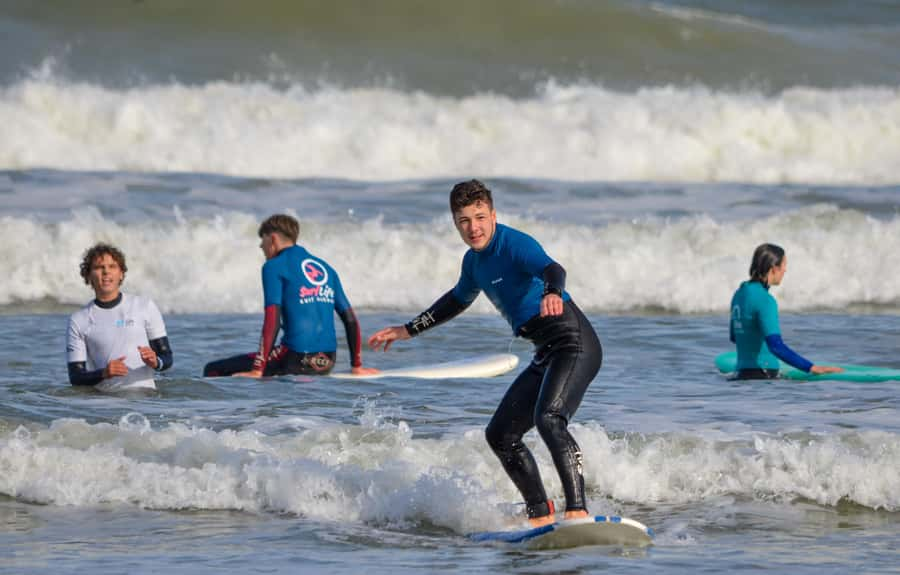
Big Bay gives this 90-minute surf lesson an unusually good backdrop: Table Mountain across the water, with the open Atlantic in front of you. You’ll work on the basics from the start, then take those skills into the waves with a qualified Surf Life instructor.
I like two things here. First, the lesson is small, with no more than six people, so you should receive useful corrections rather than generic beach instructions. Second, the teaching goes beyond standing up. You’ll work on wave choice, paddle energy, steering, safety, and the turtle roll, skills that matter long after your first successful ride.
The main consideration is that this is an open group, not a private lesson. You may share the session with complete beginners and returning surfers, and the ocean decides how much time you spend standing rather than falling.
Key points before you book
- Table Mountain views from Big Bay: The meeting point is Eden on the Bay, a scenic place to begin a surf lesson.
- A six-person maximum: Small groups allow the instructor to adjust advice to your ability.
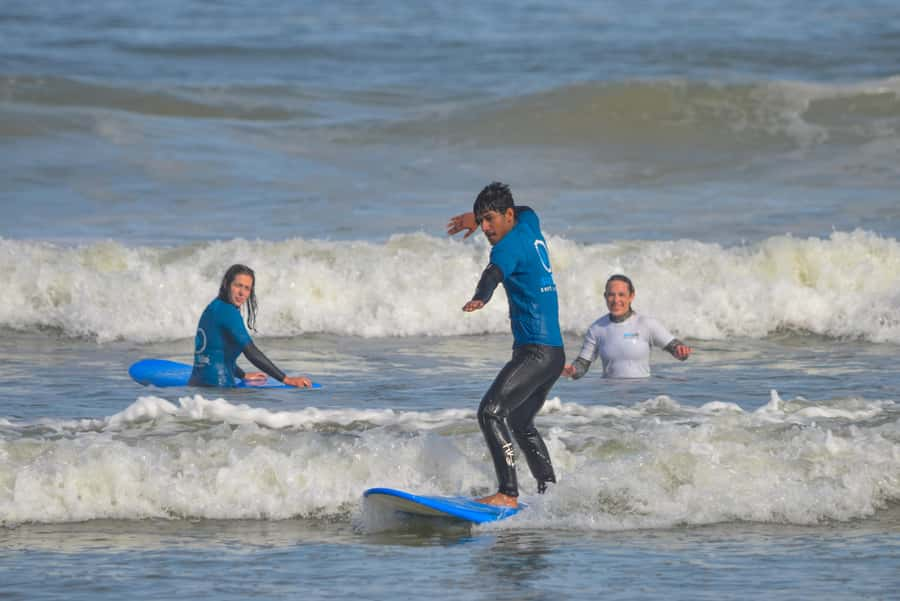
- A useful first-wave method: The lesson focuses on a pop-up technique designed to help beginners catch a wave.
- More than a one-time thrill: Wave reading, paddling, steering, and surf safety give you skills to keep practicing.
- Board and 4/3mm wetsuit supplied: You only need to bring your own swimwear, towel, water, sunscreen, and dry clothes.
- A weather-dependent activity: Lessons run year-round, but very rough seas or lightning can cancel the session.
Big Bay, Table Mountain, and the right kind of first lesson
The setting is the first treat. You meet at the big parking lot at Hang Ten Drive, Eden on the Bay, in Big Bay, with Table Mountain visible across the bay in clear conditions. Look for the grass area near the KFC takeaway and lifesaving club, then watch for the Surf Life Surf School car.
This is not a city-center activity. Big Bay sits outside central Cape Town, so you need to plan the trip rather than squeeze the lesson into a tight sightseeing schedule. An Uber or rental car is required, and the drive can take 35 to 45 minutes, traffic depending. On weekends, parking can take another 5 to 15 minutes.
I would arrive at least 15 minutes early. That gives you time to park, find the team, complete the required indemnity form, and get ready without eating into your water time.
The view adds real pleasure, but it also helps you judge the experience honestly. You are coming here to surf, not simply to pose with Table Mountain behind you. The scenery makes the session memorable, while the instruction gives the outing its actual value.
More Beginner Surf Lessons in the world:
- Legian Beach, Bali: Beginner or Intermediate Surf Lessons
★ 4.9 · 1,019 reviews - Maui: Two Hour Beginner Group Surf Lesson in Kihei
★ 5.0 · 950 reviews - Uluwatu: Beginner & Intermediate Surf Lesson with Equipment
★ 4.9 · 832 reviews
Getting fitted with a board and wetsuit
The price is $46 per person, and it includes surf instruction, a board, and a 4/3mm wetsuit for the lesson. That is a sensible package for a first attempt because you do not need to arrange equipment before reaching the beach.
You should arrive in swimwear. Bring a towel, a dry change of clothes, water, sunscreen, and beachwear. Warm clothes are useful if you tend to get cold, especially after leaving the water.
The wetsuit matters in Cape Town. Surfing for 90 minutes can be tiring, and cold water makes that effort feel harder. A 4/3mm suit provides insulation, though you should still bring something dry and warm for afterward.
Leave valuables at your accommodation whenever possible. You may leave a phone, car keys, or a small bag in the Surf Life vehicle, but that is at your own risk. The school does not accept responsibility for loss or damage. This is one of those small practical details that can save you from spending the whole lesson worrying about your wallet.
The first part: board handling and surf safety
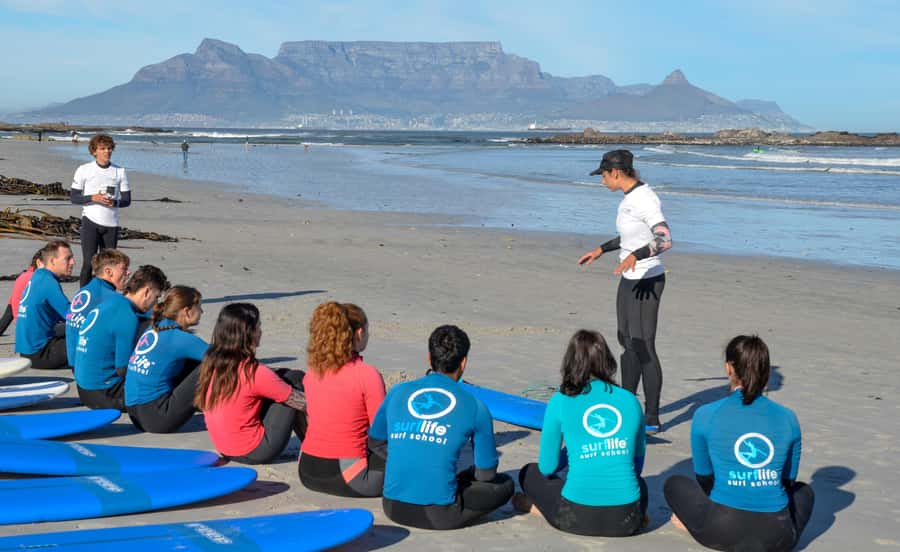
The lesson begins with an overview of the surfboard and how to handle it both on land and in the ocean. That may sound basic, but it is exactly where a new surfer needs help. A board is long, awkward, and powerful in moving water. Learning how to carry it and control it reduces confusion once the waves arrive.
You’ll also cover surf safety. The details of that instruction are not listed point by point, but the lesson includes safety as a core part of the session. That is important for beginners who may otherwise focus only on standing up.
The instructor then looks at your current ability. If you have taken a few lessons before, you are not expected to repeat every beginner step without adjustment. The coaching can shift toward the part of your technique that needs work.
This flexibility is useful in a mixed group. One person may be learning how to lie on the board, while another is trying to stand earlier or steer. With a six-person limit, the instructor has a reasonable chance to offer individual advice.
The pop-up technique that makes or breaks your first wave
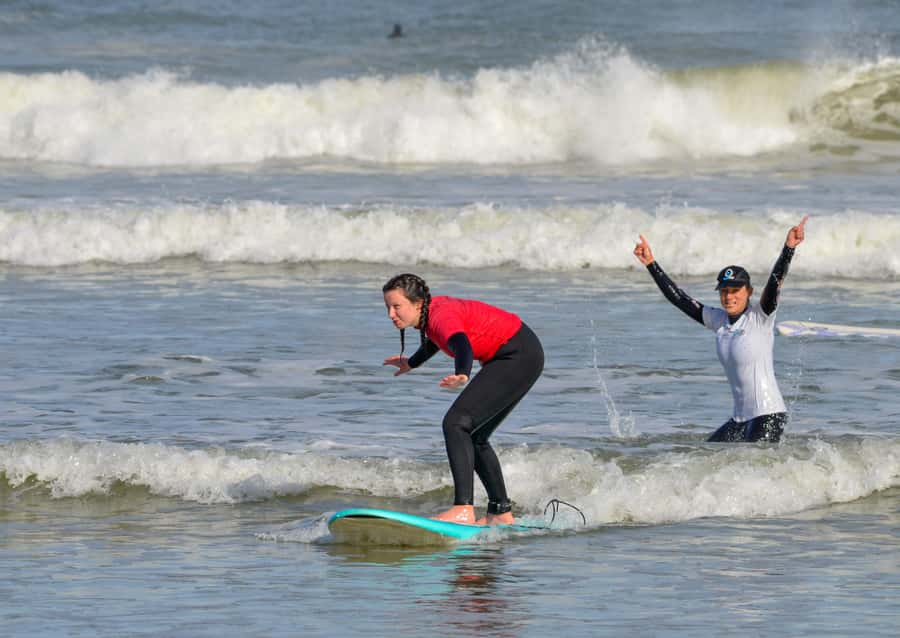
The central teaching point is the pop-up. This is the quick movement from lying on the board to standing in a stable surfing position. A poor pop-up leaves you kneeling, off balance, or too slow for the wave. A clean one gives you a far better chance of riding.
The lesson uses a method that has helped hundreds of students catch their first wave. That does not mean every participant will stand up on the first try. Surfing depends on timing, balance, wave shape, and how quickly you respond. It does mean the lesson has a clear technical focus rather than simply sending you into the water and hoping for the best.
You’ll likely repeat the movement several times, first while learning the body position and then while trying to match it to a moving wave. Pay close attention to the instructor’s corrections. A small change in hand placement or timing can make the difference between a short ride and a face-first splash.
The strongest praise for this experience centers on the teaching itself. Cornel, one of the instructors named by a participant, was described as patient, professional, and encouraging. Another participant highlighted clear explanations and personal advice. Those details point to the lesson’s best feature: you are not only given a board and told to try.
More Surf Lessons around the world:
- Tenerife: Surfing Lesson for All Levels, Photos included
★ 4.9 · 1,314 reviews - Group Surfing Lesson at Playa de las Américas, Tenerife
★ 5.0 · 1,072 reviews - Canggu: 2-Hour Surf Course
★ 4.8 · 1,053 reviews - Playa de las Américas: Private or Small-Group Surf Lesson
★ 4.8 · 980 reviews
Reading waves instead of chasing every wave
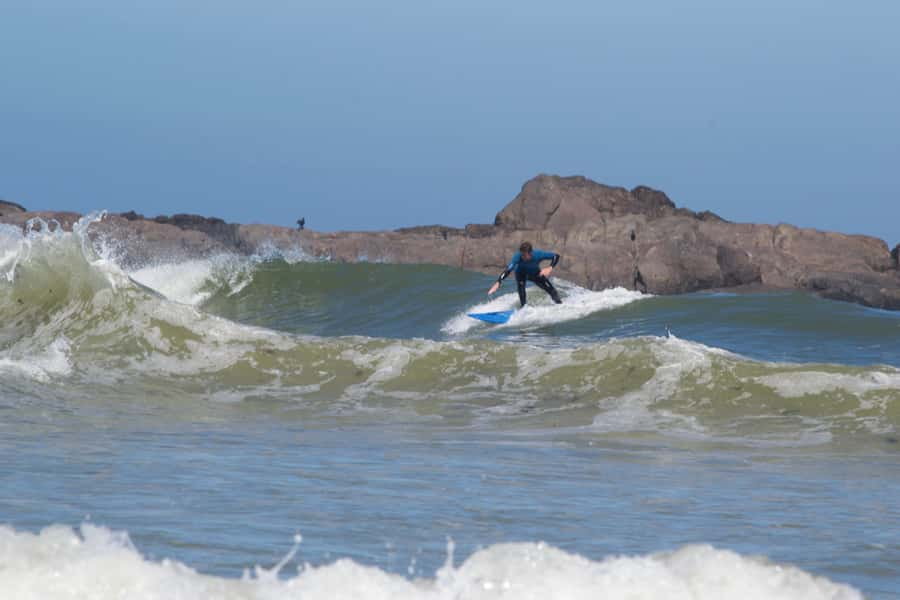
The lesson also teaches you where and when to catch a wave. This is a major step beyond learning to stand. Beginners often paddle too early, too late, or toward waves that are not suitable. You’ll start learning to judge the approach and choose a better moment.
Wave reading is especially valuable because it helps conserve energy. Surfing is not constant action. You paddle, wait, turn, adjust your position, and try again. If you paddle hard for every wave, you may be tired before the right one arrives.
The experience also focuses on maximising paddle energy. That means learning to use your effort well rather than simply paddling faster. The lesson’s 90 minutes should give you enough time to practice, though it can feel physically demanding.
One participant found the full hour and a half long enough and was tired from the waves by the end. I would treat that as useful advice, not a warning. Beginners often imagine a lesson will feel like 90 minutes of easy fun. You’ll have fun, but you’ll also paddle, balance, fall, climb back on, and repeat the process.
Steering, turtle rolls, and what happens after you stand
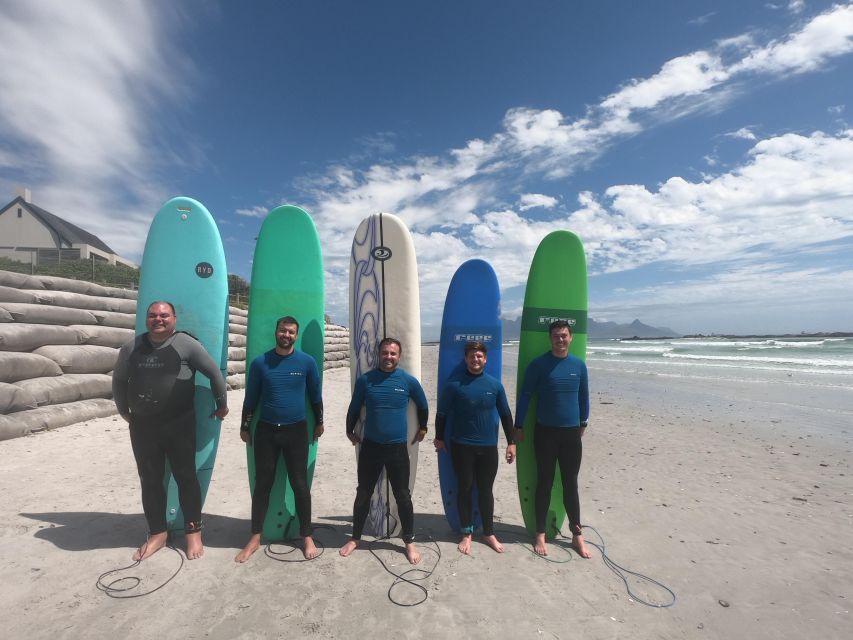
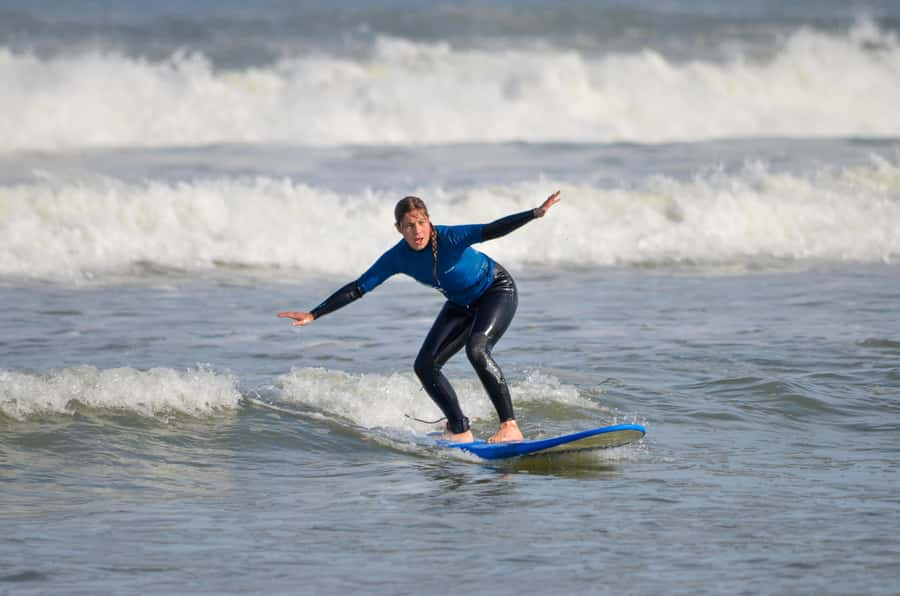
Once you catch a wave, you’ll work on steering left and right. This turns the experience from simply surviving a straight ride into the beginning of actual surfing. Directional control takes practice, so do not expect expert turns in one session. The point is to begin understanding how your body and board affect the ride.
You’ll also learn an Eskimo or turtle roll to get through waves. This technique helps you manage incoming water while holding the board. It is a practical skill because the hardest part of a beginner lesson is often getting back out after a wave breaks in front of you.
These lessons make the session more useful than a quick photo opportunity. You are learning how to handle the board, reach the waves, catch them, ride them, and get through them. You may not master each skill in one visit, but you will know what to practice next.
What the small open group feels like
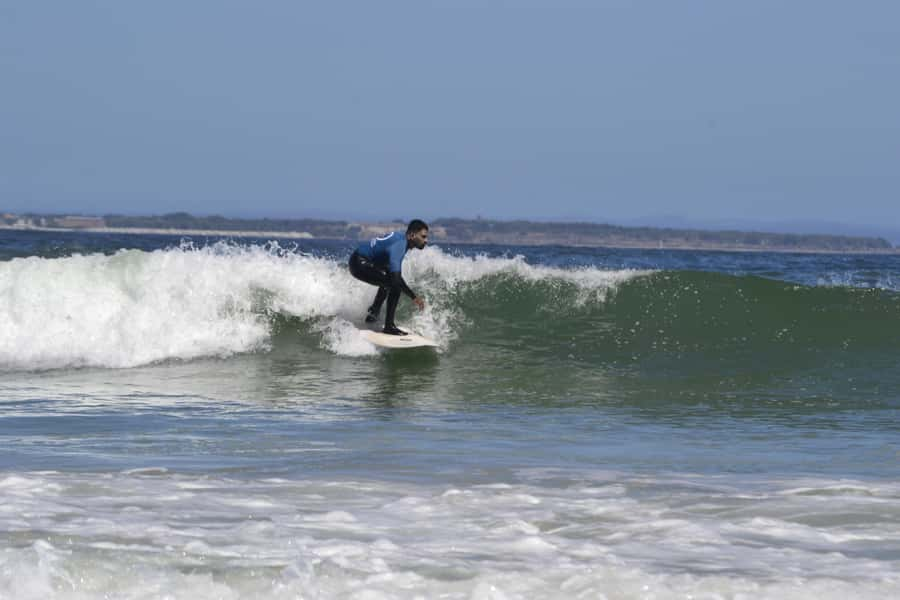
The group limit is six people, but the group is open. That means you can join alone, bring family or friends, or arrive with a mixed set of participants. It is not a private exclusive lesson.
This arrangement works well if you are traveling alone and want a social activity without arranging a full private booking. It also works for a small family or friend group, provided everyone understands that other people may join.
The mixed ability level can be both useful and limiting. You may benefit from watching someone a little more experienced handle a wave. At the same time, you will not receive uninterrupted one-to-one attention.
The instructor speaks English and Afrikaans. The lessons are suitable for people with no prior experience, and no fitness qualification is required. Still, surfing is active work, so you should be comfortable entering the water and repeatedly getting back on the board.
Who should book, and who should skip it
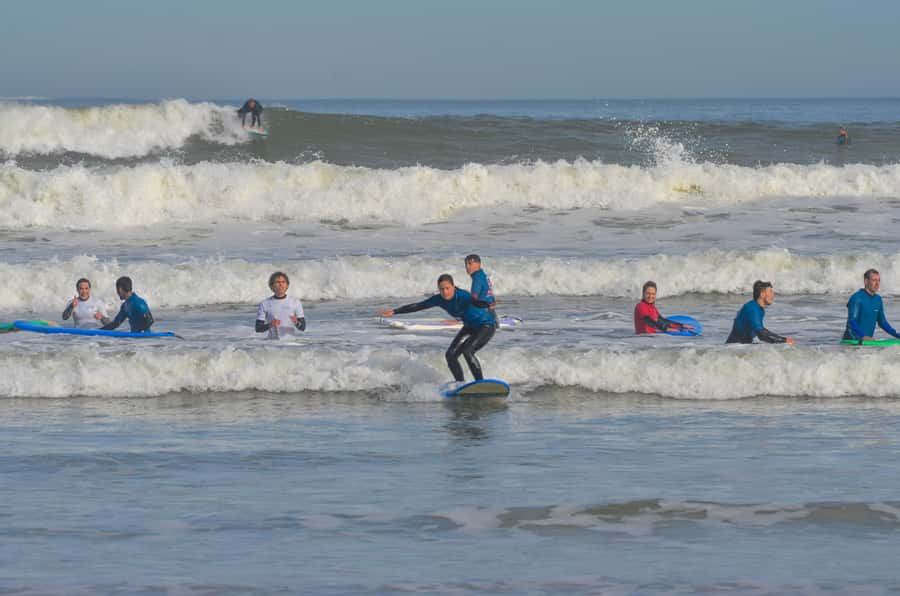
This suits a first-time surfer who wants more than a quick introduction. It is also a good match for someone who has taken a few lessons and wants focused help with the pop-up, paddling, or wave choice.
The minimum age is 8, and the maximum weight is 120 kilograms, or 264 pounds. The activity is not suitable for non-swimmers, pregnant women, people with back, heart, or mobility problems, wheelchair users, people with vertigo, people over 80, or anyone with a cold or motion sickness.
The information does not list a minimum height or a required fitness level. That does not make the activity effortless. You still need to manage a board in the ocean, paddle, balance, and recover after falling.
Parents must sign the indemnity form for children aged 18 or younger. That form must be completed before the lesson begins.
Weather, sea conditions, and year-round timing
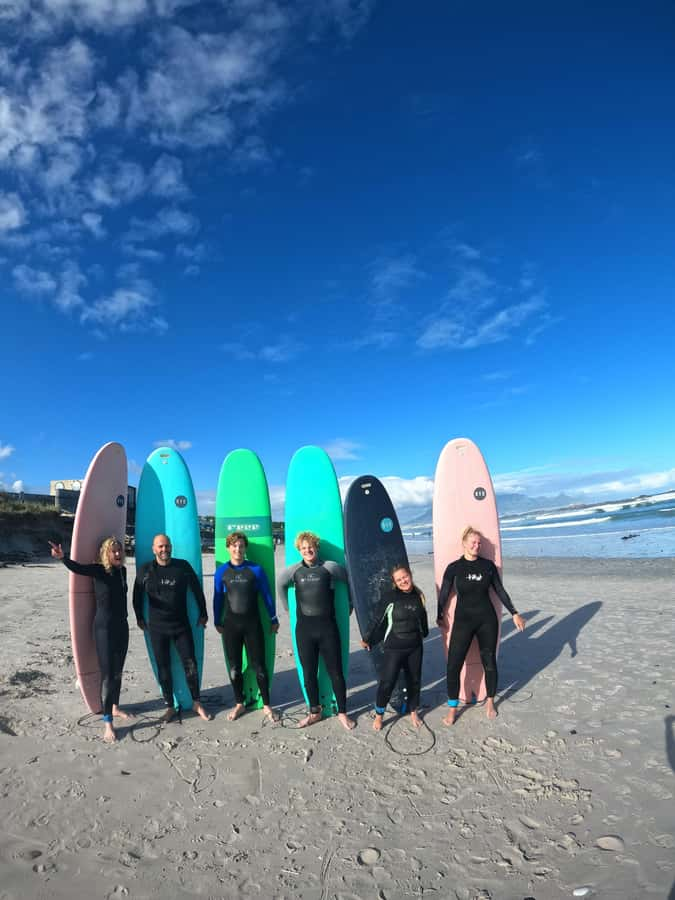
Surf lessons take place throughout the year, but the ocean sets the final schedule. The lesson is cancelled only when the sea is too rough for surfing or when there is lightning.
That policy means a cloudy or cool day does not automatically end the plan. Cape Town weather can change, so pack warm clothes even when the forecast looks pleasant. You should also accept that an ocean activity cannot offer the same certainty as a museum visit.
If the lesson is cancelled for unsafe conditions, the activity is not simply being made less exciting. Rough water can make beginner surfing unsafe and can prevent useful instruction. The weather rule protects the quality of the lesson as well as your safety.
You can cancel up to 24 hours ahead for a full refund, and the booking option allows you to reserve now and pay later. Those terms are helpful if your Cape Town schedule is still shifting.
Is $46 good value for 90 minutes?
At $46, the price is fair for a small-group beginner lesson with a qualified instructor, a board, and a 4/3mm wetsuit. Equipment rental alone would otherwise add another task and cost, while the coaching is the part that helps you make progress instead of simply flopping around on a board.
The value is strongest if you are new to surfing. The pop-up instruction, wave reading, safety work, and paddle advice give you a foundation you could continue practicing. If you already surf regularly, the short session may be less useful unless you specifically want help with technique.
Transport is not included. You pay for your Uber or rental car, and you need to allow time for traffic and weekend parking. Water, snacks, meals, sunscreen, and a towel are also excluded.
Bring your own bottle of water and sunscreen. This is a modest extra cost, but planning ahead is easier than searching for supplies while trying to arrive on time.
My call: book it if you want a real introduction to surfing
I would book this lesson if you want to try surfing in Cape Town and care about learning the basics properly. The small group, clear technical focus, equipment included, and Table Mountain setting make $46 reasonable.
Book it especially if you are traveling alone, want a 90-minute active outing, or have tried surfing before but still struggle with the pop-up and wave timing. Cornel’s patient, encouraging approach may be available depending on the schedule, but the overall format is built for supportive instruction.
Skip it if you need a private lesson, cannot swim, have one of the listed health restrictions, or have only a narrow window in your day. Also avoid packing the schedule too tightly. Big Bay requires travel time, parking may take patience, and the sea may change the plan.
FAQ
Where does the surf lesson meet?
Meet the Surf Life Surf School team at the grass area in the big parking lot at Hang Ten Drive, Eden on the Bay, Big Bay. The parking area is near KFC and the lifesaving club. Look for the Surf Life Surf School car.
How long does the lesson last?
The lesson lasts 90 minutes, or one and a half hours.
Is transport to Big Bay included?
No. You need to reach Eden on the Bay by Uber or rental vehicle. Allow 35 to 45 minutes for the trip, depending on traffic, and extra time to find parking on busy weekends.
What equipment is provided?
The price includes a surfboard and a 4/3mm wetsuit for the lesson, along with instruction from a qualified surf instructor.
What should I bring?
Bring swimwear, a towel, a dry change of clothes, water, sunscreen, and beachwear. Warm clothes are useful if you get cold easily. Bring any emergency medication you need, such as an asthma pump or Epipen.
Can children join the lesson?
Children must be at least 8 years old. A parent must sign the indemnity form for anyone aged 18 or younger. The activity is not suitable for non-swimmers or for people with the listed medical and mobility restrictions.
Latest surf sessions around the world
- Waikiki: Surf Lessons Easy 60 min classes no crowds!★ 4.9 · 21 reviews
- Valencia: Excursión en Moto de Agua + Paddle Surf★ 4.9 · 9 reviews
- Waikiki: Family, Private, and Group Surfing Lessons★ 5.0 · 4 reviews
- Tricana Surf Experience★ 5.0 · 3 reviews
- Uluwatu: Surf Lessons Beginner★ 5.0 · 3 reviews
- Astonishing Scavenger Hunt: Surf, Sand and Sculptures!★ 3.0 · 2 reviews
- Two- Hour Group Surfing Lesson in Cocoa Wrightsville Beach, NC★ 5.0 · 13 reviews
- Electric Bike Rentals in Topsail Island and Surf City★ 5.0 · 2 reviews
South Africa Surf Lessons, compared.
Private Surf Lesson in Cape Town – Transport & Photos Included
Read our review →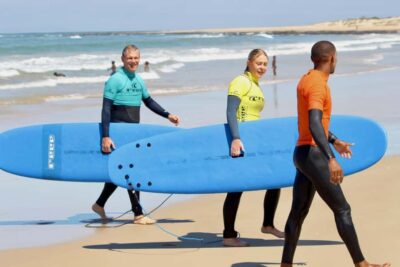
Jeffreys Bay: Private Surfing Lesson for Beginners
Read our review →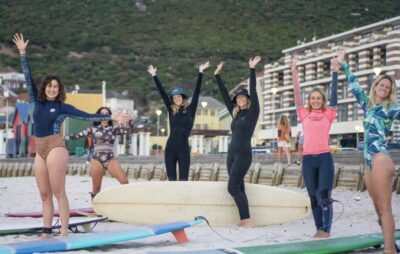

1h15min surfing lessons in Victoria Bay & Wilderness
Read our review →
Browse the lists this tour appears in