
Review · PORTUGAL
Surf Lesson for Beginners in Lisbon (Costa da Caparica)
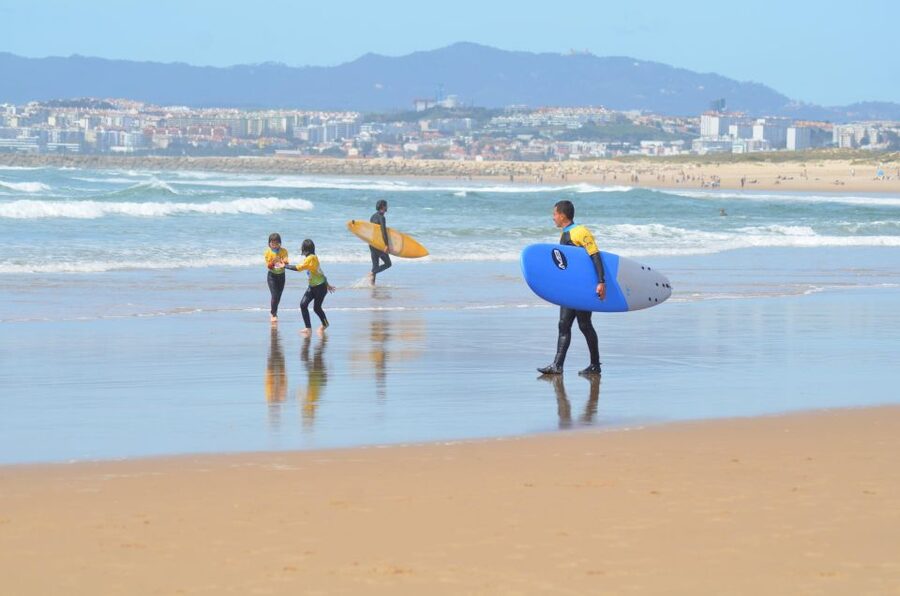
Costa da Caparica is a smart place to try surfing near Lisbon. You get a real Atlantic beach lesson, not a quick photo stop, with time to learn on the sand and then work on catching waves in the water. The two-hour format keeps the session focused for first-timers.
I like the small-group feel, which gives the instructor more time to correct your stance and help you choose a wave. I also like that boards, surf clothing, lockers, changing rooms, and showers are included, so you do not need to pack a beach-sports kit. The main consideration is that Atlantic surf depends on the conditions, and two hours can pass quickly once you are learning in the water.
Key points for your Costa da Caparica lesson
- Beginner-first teaching: Start with warm-up exercises, basic surfing technique, and key safety rules before entering the water.
- Helpful water coaching: Your instructor works with you wave by wave and gives feedback as you practice.
- Small groups: The class setup can allow more personal attention, an important benefit when you are learning to stand and balance.
- Everything you need on site: A surfboard, surf clothing and lycra, lockers, changing rooms, and showers are included.
- Several teaching languages: Instruction is available in English, Portuguese, Spanish, and French.
- A convenient price: At $35 for two hours, this is a reasonable first lesson if you want a structured introduction rather than renting a board alone.
Starting beneath Nona Onda Bar
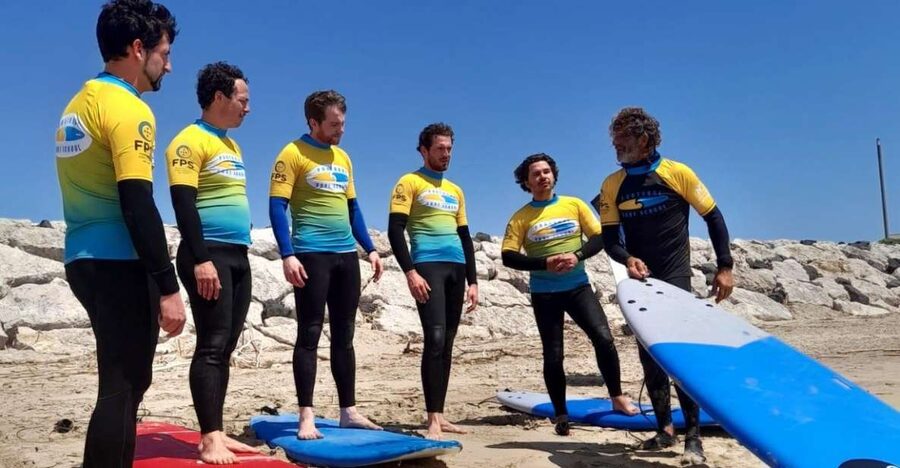
Your meeting point is Portugal Surf School, located beneath Nona Onda Bar. This is the first detail to get right, since arriving at the general beach area is not the same as finding the school.
Allow enough time to locate the exact spot before the lesson begins. The supplied information does not give a recommended arrival time, transport directions, or parking advice, so check the booking details carefully and confirm your route to Costa da Caparica before leaving Lisbon.
Once you arrive, the school provides the material suited to your class. That matters for a beginner. You should not have to guess which board or setup is right for the day, though the exact equipment choice will depend on the instructor and conditions.
The center also provides lockers and changing rooms. Keep your valuables in the locker rather than carrying them to the beach. After the lesson, you can use the showers before changing back into dry clothes.
More Beginner Surf Lessons in Portugal
- Albufeira: Learn to Surf in Chill Beach Vibes & Good Times
★ 4.7 · 439 reviews - Beginner Surf Lesson at the Beautiful Algarvian West Coast
★ 5.0 · 377 reviews - Peniche:Surf lessons Beginners ,Intermediate, advance level
★ 4.8 · 229 reviews
Getting equipped for the first lesson
A beginner surf lesson works best when you spend little time worrying about equipment. The package includes a surfboard, surf clothing and lycra, plus the practical facilities at the school.
The wording supplied for the clothing is not perfectly clear, so check with Portugal Surf School if you need to know exactly what garment sizes or layers are available. If you have personal swimwear, bring it. That is a sensible choice for any lesson involving surf clothing, even though the included equipment covers the main needs.
The board is more than a flotation aid. For a new surfer, its size and shape affect balance, stability, and how easily you can catch a small wave. Let the instructor choose the most suitable board rather than worrying about technical specifications.
You also receive help from an instructor qualified by the Portuguese Surf Federation. That qualification is especially useful for a first lesson because good surfing instruction is not only about standing up. It includes knowing where to wait, how to handle the board, and how to behave safely around other people in the water.
Learning on the sand before entering the Atlantic
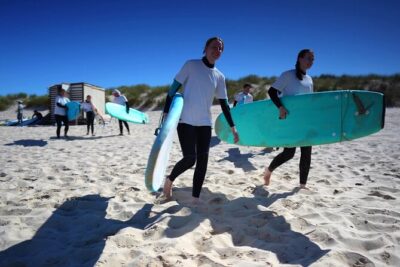
The lesson begins with a warm-up on the beach. This gives you a chance to loosen up and prepare your body before trying to balance on a moving board.
Your instructor then explains the basic surfing techniques. Expect the dry-land part to cover the movements needed to get from lying on the board to standing, along with the position your body should take once you are upright.
This section can feel simple, but do not rush it. Beginners often focus only on standing. In practice, the first useful goal is learning the sequence clearly enough that you can repeat it in the water without freezing when a wave arrives.
Safety rules are also covered before you enter the sea. Pay close attention here. A surfboard is large and can move quickly, and the ocean can be less predictable than it looks from the sand. Knowing how to manage the board and where to position yourself makes the lesson safer for you and for the people around you.
The warm-up and briefing also give you a chance to ask questions. If you are nervous, say so. A good beginner session depends on clear communication between you and the instructor.
Practicing waves with an instructor beside you
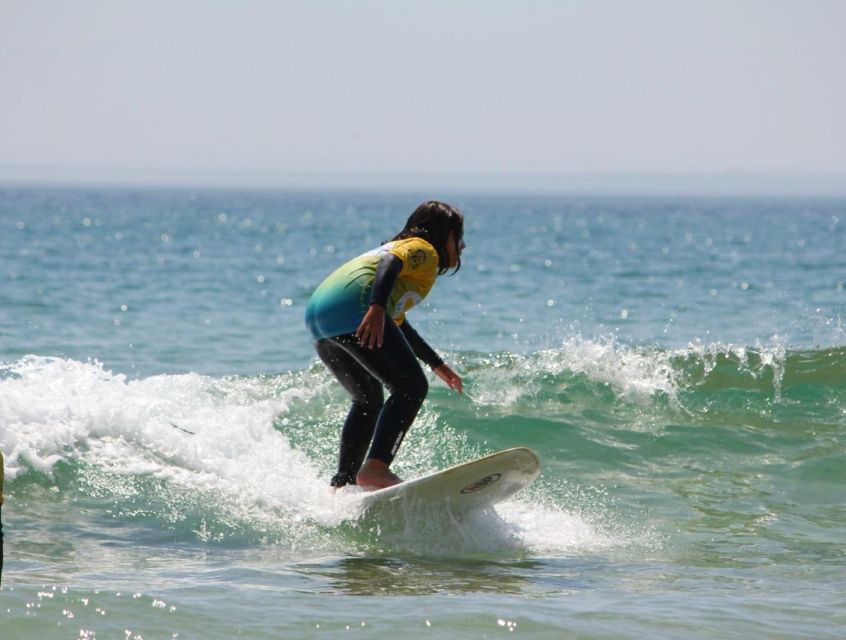
After the beach introduction, the class goes into the water to look for suitable waves. The aim is not to perform advanced tricks. It is to learn how to read a small wave, position the board, paddle at the right moment, and try to stand.
Your instructor helps you catch waves and gives feedback from one attempt to the next. That repeated correction is the most useful part of the lesson. You may need to adjust your feet, shift your weight, lower your center of balance, or begin standing at a different moment.
Do not judge the session only by how many times you stand. For a first lesson, progress may mean catching a wave while lying down, getting your timing right, or staying balanced for a few seconds. The instructor’s wave-by-wave guidance helps you understand what went wrong and what to change on the next attempt.
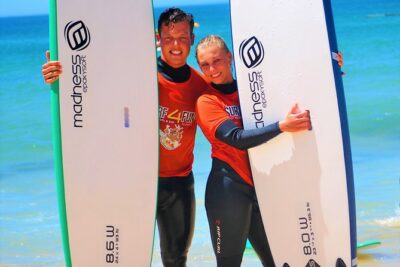
The small-group setup is valuable here. Surf classes can become frustrating when one instructor has too many people to watch. A relatively small group gives the teacher more chances to focus on each person. That is especially helpful for younger beginners, too. Two sons aged 13 and 14 were described as happy with the lesson, so the class can suit teenagers who meet the age requirements and are comfortable in the water.
The exact wave quality will vary. The activity promises a fun and safe introduction, but it cannot guarantee perfect surf or immediate success. Ocean conditions, your balance, and your comfort level all shape the session.
Same water, another way to ride it:
- Matosinhos: Surfing Lesson with Equipment
★ 4.8 · 926 reviews - Lisbon Surf Experience
★ 4.9 · 876 reviews - Albufeira: Surf Lesson
★ 4.7 · 699 reviews - Porto: Small Group Surf Lesson with Transportation
★ 4.9 · 594 reviews
Why the two-hour format works
Two hours is long enough to include equipment, warm-up, instruction, and water practice without turning a first lesson into an all-day commitment.
That length is useful if surfing is one part of a Lisbon holiday. You can try the sport without giving up an entire day, and the price of $35 per person keeps the experiment fairly low-risk. It costs more than simply walking onto the beach, of course, but you are paying for instruction, equipment, safety guidance, changing facilities, and time in the water.
You should also set realistic expectations. Two hours does not make you a surfer. It gives you a structured first taste and enough practice to decide if you want another lesson. If standing up takes time, the session may feel short because much of it goes into learning the basics.
For many first-timers, that is still better value than renting a board without instruction. A rental gives you equipment. This lesson gives you a qualified teacher who can help you avoid common mistakes and make better use of each wave.
The value of a small class
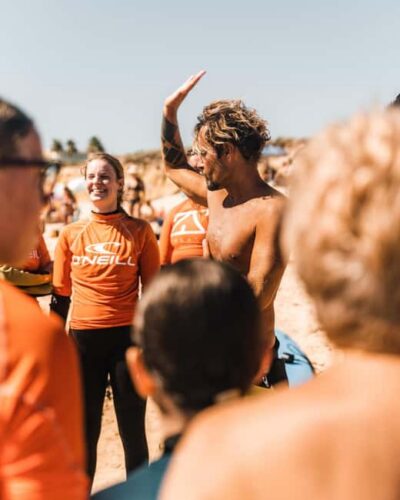
The most useful detail for comparing this lesson with other options is the group size. The information does not promise a fixed maximum, but the experience has been described as having a relatively small group, with the instructor able to spend personal time with participants.
That personal attention matters more in surfing than in many land-based activities. Your instructor needs to see your position on the board, your timing, and the moment you try to stand. A quick correction can save several failed attempts.
Instructor Ari is specifically praised as a strong teacher. If Ari is assigned to your session, you can expect a teacher who has made a good impression for a first surfing experience. The school also has staff who speak English, Portuguese, Spanish, and French, making it easier to ask questions and follow safety instructions.
The language choice is useful for mixed groups and international visitors. Still, the booking information does not promise that every language will be available in every time slot. If teaching language is important to you, confirm it when checking availability.
A practical finish at the surf center
After the water session, you return to the surf center. Your belongings remain secured in a locker while you are on the beach, and you can change and shower afterward.
These are small comforts, but they make the activity easier to fit into a day out. You do not need to leave the beach covered in salt water or carry your valuables around while surfing. The supplied information refers to showers as duchos, so the exact facilities may be basic, but showers and changing rooms are included.
The activity does not specify towels, food, drinks, transport, or photos. Plan around the items that are not listed as included. Bring whatever personal beach items you need, but keep valuables to a minimum.
Who will enjoy this lesson most
This class is aimed at beginners, so you do not need previous surfing experience. It suits you if you want a guided introduction, prefer having equipment provided, and like the idea of learning in the sea rather than only practicing on dry land.
It can also work well for couples, friends, and families with older children. Children under four are not suitable, and pregnant women should not take part. The information does not provide a wider age limit, so parents should confirm suitability for younger children and consider swimming confidence before booking.
You will get the most from it if you are willing to listen, accept repeated attempts, and treat falling off as part of the lesson. You may not stand on your first wave, and the session is not designed as a private coaching appointment unless your booking says otherwise.
Booking details and cancellation
The cost is $35 per person, and you can reserve now while paying later. That option helps if your Lisbon plans are still changing, but you should still check the available starting times before booking.
Free cancellation is available up to 24 hours in advance for a full refund. Cancellations made after that point are not refundable. This rule matters if your schedule depends on weather or other day trips, so do not wait until the last moment to change plans.
The activity lasts two hours. Since the available starting times can vary, check the date and time carefully, especially if you are arranging transport or another Costa da Caparica activity afterward.
Should you book the Costa da Caparica surf lesson?
I would book this if you want a proper first surfing lesson near Lisbon at a modest price. The combination of a qualified instructor, beginner-focused safety teaching, equipment, lockers, changing rooms, and showers gives you more support than a simple board rental.
The strongest reason to choose it is the personal coaching. A small class can make the difference between floundering through the lesson and understanding what to change on your next wave. Ari is a name worth asking about if you want to know who may teach your session.
Skip it if you want guaranteed calm water, a private lesson, or a long surf day. The class lasts only two hours, conditions can vary, and success depends partly on your balance and the waves. For a first try, though, $35 is a fair way to see if surfing belongs in your Portugal plans.
FAQ
Where does the surf lesson meet?
The meeting point is Portugal Surf School, beneath Nona Onda Bar in Costa da Caparica.
How long does the activity last?
The surf lesson lasts two hours.
How much does the lesson cost?
The listed price is $35 per person.
What equipment is included?
The activity includes a surfboard, surf clothing and lycra, plus access to lockers, changing rooms, and showers.
Is an instructor included?
Yes. The lesson includes an instructor qualified by the Portuguese Surf Federation.
What languages are available?
Instruction is available in English, Portuguese, Spanish, and French.
Can I cancel for a full refund?
Yes. You can cancel up to 24 hours before the activity for a full refund. Cancellations after that period are not refundable.
Who should not take this activity?
The lesson is not suitable for children under four or for pregnant women.
Latest surf sessions around Portugal
- Tricana Surf Experience★ 5.0 · 3 reviews
- Exclusive Surf Lessons in S Miguel Azores★ 5.0 · 21 reviews
- Guided surf tours from Porto city to the beach★ 4.5 · 10 reviews
- Surf Lessons in Porto with transfer at Porto Surf School★ 5.0 · 42 reviews
- Surf Lesson | Surf Lessons★ 5.0 · 39 reviews
- Self-guided tour Bike + Surf★ 5.0 · 6 reviews
- Private Surf Experience – Transfer to Matosinhos – All Levels★ 5.0 · 7 reviews
- Small Group Surf Coaching in Porto with photos★ 5.0 · 28 reviews
Portugal Surf Lessons, compared.

Porto: Small Group Surf Lesson with Transportation
Read our review →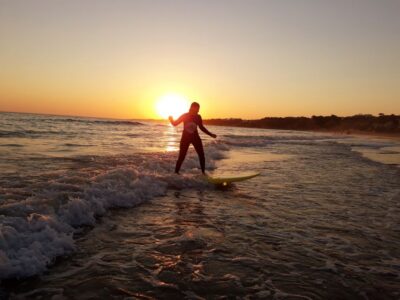
Albufeira: Learn to Surf in Chill Beach Vibes & Good Times
Read our review →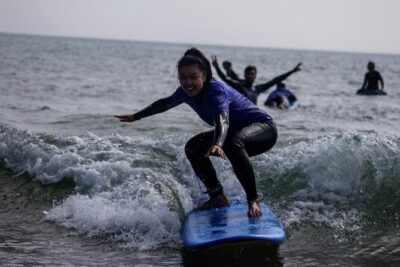

Browse the lists this tour appears in