
Review · SPAIN
Tossa de Mar: Guided Route in Paddle Surfing&Coves and Caves
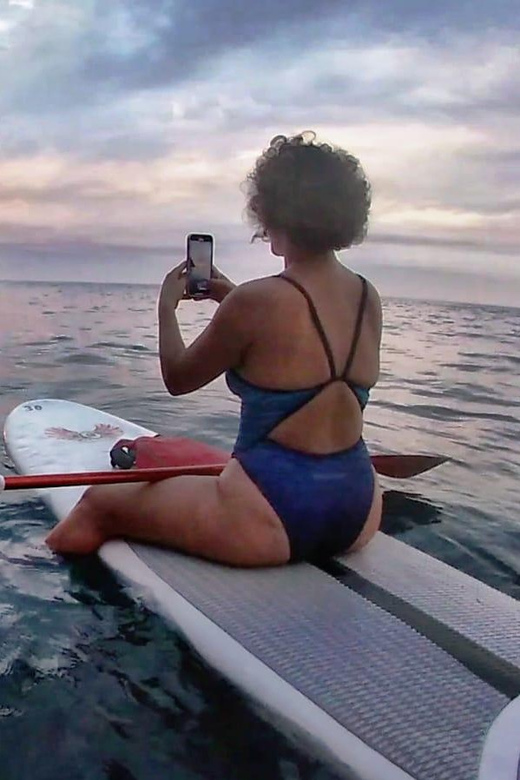
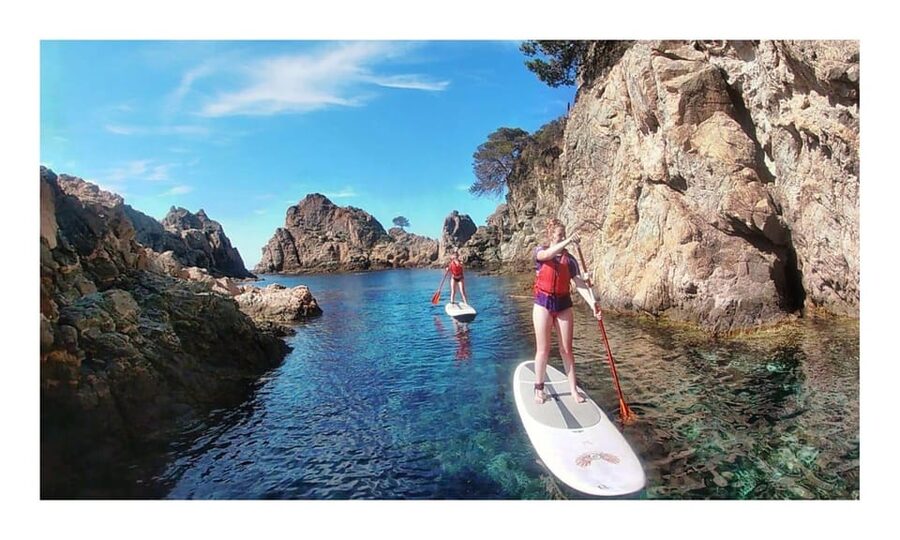
At Platja de la Mar Menuda, this paddleboarding trip gets you straight onto the Costa Brava water, rather than making you haul equipment from a shop to the shore. A native Tossa de Mar guide leads you past cliffs, small coves, narrow passages, and sea caves that inflatable boards cannot reach. Lola has earned special praise for her clear English, friendly teaching, local facts, and knack for taking family photos.
I like the small group of eight and the support boat. I also like that your belongings can stay in a watched area at the beach, while the staff handles the board and paddle. The main consideration is simple: you must know how to swim, wear a T-shirt or lycra under the safety vest, and accept that rough water or group ability can shorten the route or limit cave access.
Key points at a glance
- Start from the beach: Meet at Kayaks Nicolau on Platja de la Mar Menuda, with no equipment transport or long walk to the water.
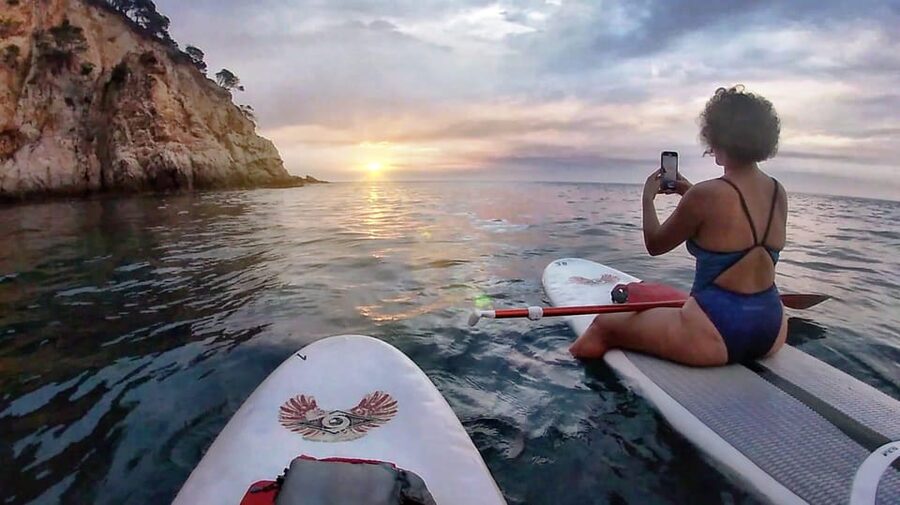
- Reach tight coastal spaces: Rigid paddleboards can pass through narrow gaps and into certain caves that inflatable boards cannot.
- Learn before heading out: Qualified instructors cover basic paddleboarding skills, technique, and balance before the route begins.
- Native Tossa guides: Lola and the local guiding team add stories about the coast, its nature, and the town’s surroundings.
- Support boat on the route: A motorized boat stays with the group for safety and assistance.
- Photos included: The team takes photos during the activity and sends them to you at no extra charge.
From Platja de la Mar Menuda to the open water
The meeting point is the Kayaks Nicolau base at Platja de la Mar Menuda in Tossa de Mar. Arrive by 9:05 a.m. for the 9:15 start, or check your confirmed time if you book a different departure. The advertised activity lasts up to two and a half hours from arrival at the base, though the active route may be shorter depending on sea conditions and the group.
This beach start is one of the practical advantages. You do not need to carry a board through town or load it onto a vehicle. Staff fit you with a paddleboard, paddle, and safety vest, then help get everything into the water.
You should arrive wearing swimwear and bring sunscreen and a T-shirt or lycra top. The T-shirt is not optional here. It must be worn under the buoyancy vest to reduce rubbing and sun exposure on your shoulders. Water shoes are not included, so bring them only if you already like using them. Food, drinks, and sunscreen are also your responsibility.
The base can store your belongings in a safe, watched area while you are out. That small detail matters. You can paddle without worrying about a phone, wallet, or dry clothes sitting unattended on the sand.
More Stand-Up Paddleboarding in Spain:
- From Nerja: Guided Paddle Surf Cliffs and Maro Waterfall
★ 4.5 · 400 reviews - Seville: Paddle Surf Route and Class
★ 5.0 · 346 reviews - Puerto Rico, Gran Canaria: boat trip, drinks, food, paddle surfing, snorkeling
★ 4.6 · 310 reviews
A proper introduction to paddleboarding
You do not need to arrive as an expert. The instructors start with basic information on using the board and paddle, then move into technique and refinement for anyone who already has some experience. This makes the trip a good match for a mixed group, provided everyone can swim and manage the physical demands of standing, kneeling, and paddling.
Lola is specifically noted for helping people with limited paddleboarding experience. She also speaks excellent English, and the guiding team can operate in Catalan, Spanish, English, or French. That language range is useful when the guide is explaining balance, turning, stopping, or what to do near rocks.
The teaching is not a separate classroom session. It prepares you for the route, so you can spend more time looking at the coast and less time trying to work out which end of the paddle belongs in the water. If you are nervous, say so early. The staff can explain the basics before the group moves away from shore.
The board itself matters. These are rigid paddleboards, not inflatable models. Rigid boards are less convenient to transport, but they can be more suitable for careful movement through narrow coastal spaces. You still need to follow the guide closely around rock walls, and cave access is never guaranteed.
Along the cliffs and into the coves
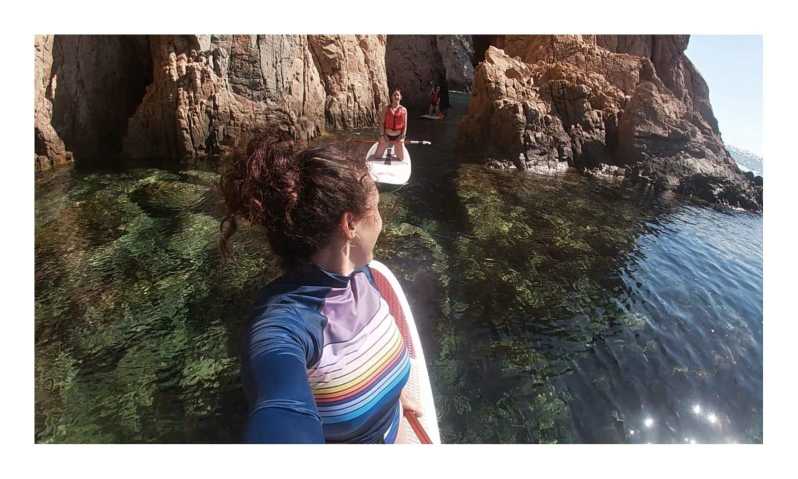
Once the group leaves the beach, the route follows the rocky coast around Tossa de Mar. You paddle beside cliffs, pass small coves, and look for narrow passages where the sea has cut into the shoreline. The scenery is the point, but the route also gives you a more active way to see it.
A kayak would keep you lower to the water. Standing on a paddleboard gives you a higher view when the sea is calm enough to balance comfortably. You can also kneel or sit if standing becomes tiring, though the supplied information does not promise a specific pace or number of stops.
The guide provides explanations about the history and nature of the area during the outing. This helps turn a pleasant paddle into a sense of place. You are not simply moving from one beach to another. You are learning why certain coves and rock formations matter to the local coast.
The small group size is useful here. With no more than eight participants, the guide can keep the group together and adjust instructions as needed. A larger group might mean more waiting and less personal help, especially for beginners. The tradeoff is that the trip depends on the ability and comfort of the whole group, so the pace may not suit someone looking for a hard workout.
Sea caves and secluded beaches
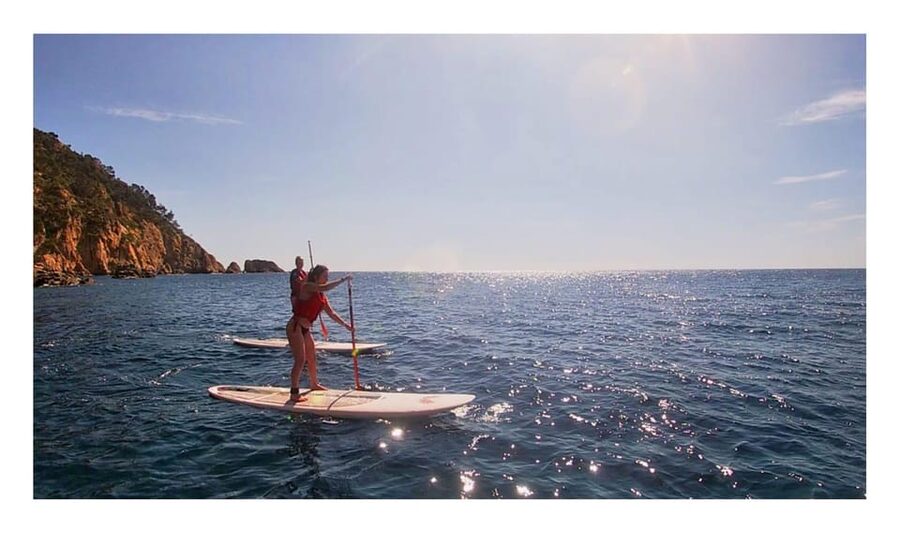
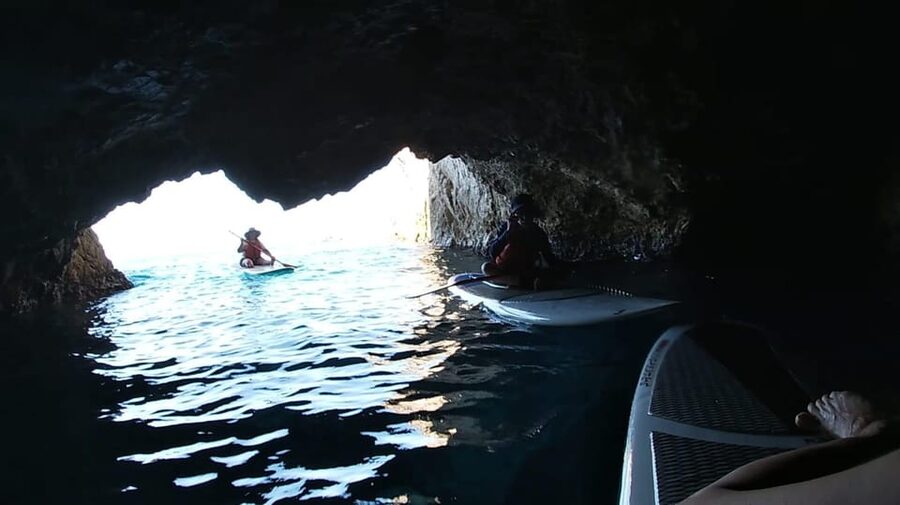
The most memorable part of the route is the chance to enter caves and see beaches tucked inside the coast. Access depends on the sea state and the type of group, so you should treat this as a possibility rather than a promise. Safety comes first, and the guide may skip a cave if the entrance is unsuitable.
Rigid boards give this outing an advantage in tight areas. The operator says inflatable boards cannot reach some of these spots, which means the equipment is chosen for the route rather than simply for easy storage. Still, rigid boards can feel less forgiving if you are new to paddleboarding, particularly when the sea moves beneath you.
The caves are also where the support boat earns its keep. A motorized pneumatic boat accompanies the group and handles safety and assistance. It does not remove every risk, and you still need to know how to swim and follow instructions, but it provides an important safety net when the group is away from the beach.
For families, the cave sections can add variety. Lola has brought goggles for children to use while snorkeling and taken photos of family groups. That does not mean every departure includes snorkeling, and goggles are not listed as standard equipment, but it shows the sort of small extra help that may be available with the guide.
More Surf Lessons around Spain:
- Tenerife: Surfing Lesson for All Levels, Photos included
★ 4.9 · 1,314 reviews - Group Surfing Lesson at Playa de las Américas, Tenerife
★ 5.0 · 1,072 reviews - Playa de las Américas: Private or Small-Group Surf Lesson
★ 4.8 · 980 reviews - Playa del Inglés Maspalomas: High Quality Surf Classes
★ 4.9 · 363 reviews
What the support boat changes
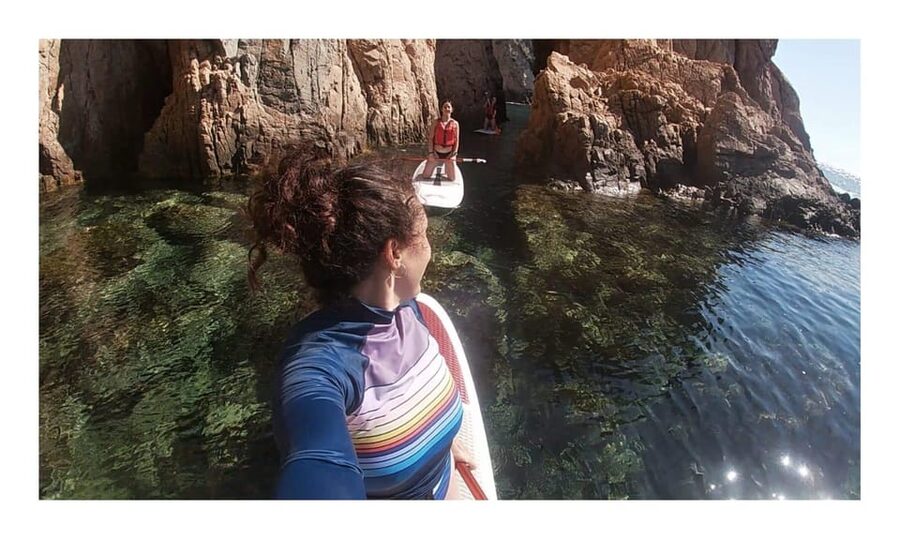
A support boat is more than a slogan on a booking page. On a coastal paddle, it means the guides have a separate way to assist the group, keep watch, and respond if someone becomes tired or uncomfortable. It can also help the staff manage the group near cliffs and cave entrances.
You should not read this as a substitute for basic fitness or swimming ability. Non-swimmers cannot join, and the activity is not suitable for people with mobility impairments, epilepsy, pregnancy, or those over 70. The weight limit is 209 pounds, or 95 kilograms.
The sea sets the terms. The route can be reduced if weather conditions change, and cave entry may be dropped even when the trip still goes ahead. That is a fair trade for a safer outing. If your main goal is to enter a particular cave, this activity cannot guarantee it. If your goal is to paddle along the Tossa coast with professional supervision, the setup is stronger.
Two and a half hours at a useful pace
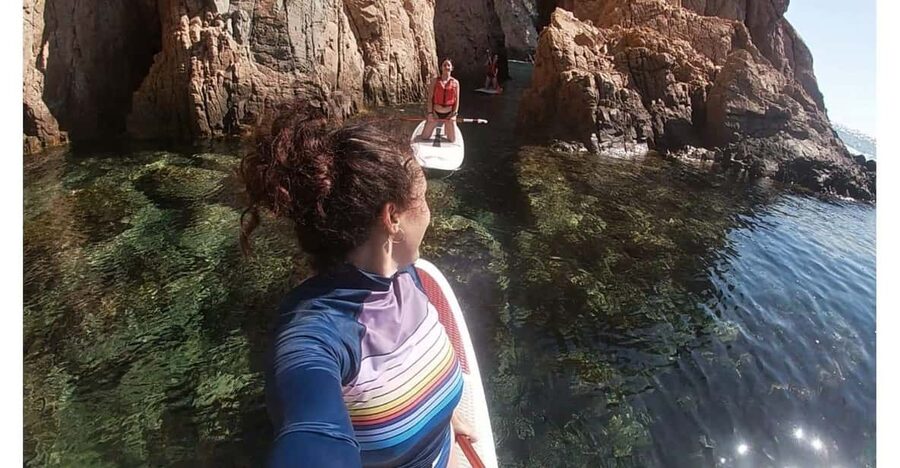
The total time is between two and two and a half hours from arrival at the base. That includes preparation, equipment, instruction, and the paddle itself. It is long enough to make the trip feel like a real coastal outing, but short enough to fit into a morning at Tossa de Mar.
The early 9:15 start has practical benefits. Morning sea conditions may be calmer, though conditions are never guaranteed. You also have much of the day left afterward for the town, the beach, or another activity.
The early hour can be a drawback if you are coming from outside Tossa de Mar or prefer a slow holiday morning. Check the available start times before booking. The experience ends back at the Kayaks Nicolau base, so you do not need to arrange a separate return from another beach.
A 2.5-hour activity can feel active without taking over your day. You will want time to dry off and change afterward, but the supplied details do not promise showers or changing facilities, so do not count on services that are not confirmed.
Is $46 a fair price?
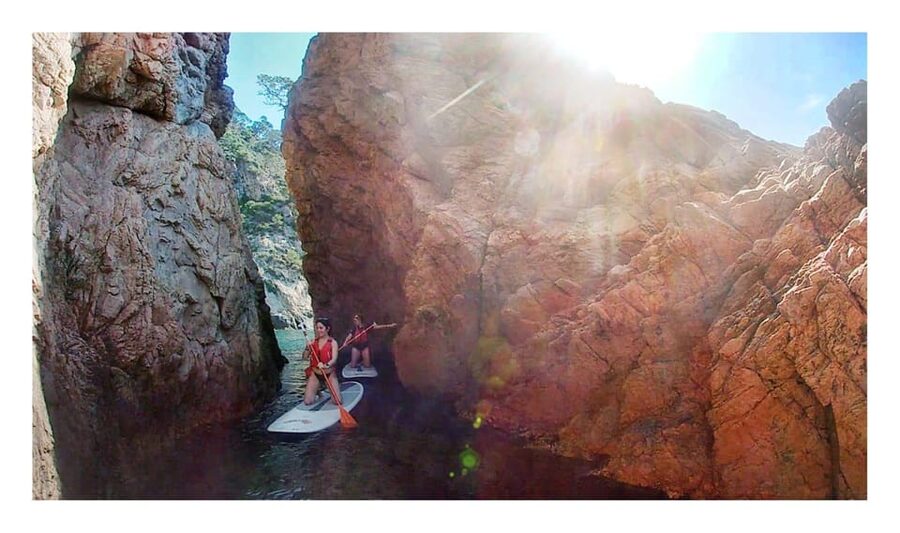
At $46 per person, this is not just a board rental. The price includes the rigid paddleboard, paddle, safety vest, qualified instructor, and technical instruction. You also get the guided coastal route, the support boat, a small group capped at eight, watched storage for your belongings, and a free photo report.
The value is strongest if you are new to paddleboarding or want to see coastal spaces that are difficult to reach on foot. A basic rental might cost less, but it would not include instruction, local guiding, boat support, or someone choosing a safe route through cliffs and cave entrances.
The price is less compelling if you already paddle confidently and only want equipment for an independent session. You are paying for supervision and local access, not simply for time on a board.
The free photos are a nice practical extra. Instead of trying to hold a phone while balancing, you can concentrate on paddling and let the team document the outing. Lola has been especially attentive with family photos, and that can be worth a lot when everyone wants to appear in the same picture.
Who should book this Tossa de Mar paddle route?
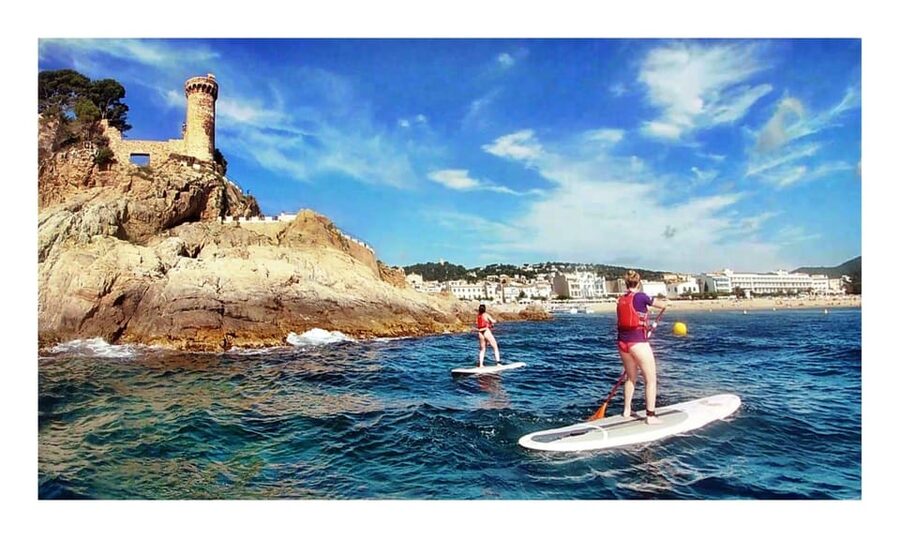
I would point this trip toward adults, active families with children aged 12 or older, and first-time paddleboarders who want instruction rather than trial and error. It also suits people who value local stories and a small group over a fast, athletic session.
You should be comfortable in the water. Swimming ability is mandatory, and the safety vest must remain on throughout the activity. The route may require repeated movement between kneeling and standing, plus paddling for an extended period.
It is not suitable for children under 12, pregnant women, non-swimmers, people with mobility impairments, people with epilepsy, people over 70, or anyone above 95 kilograms. Those limits are important, not fine print to ignore.
Language should not be a major obstacle. The guides speak Catalan, Spanish, English, and French. If you are unsure about your balance or fitness, contact the operator before reserving rather than hoping the group can adjust around you.
What to bring and how to prepare
Bring swimwear, sunscreen, and a T-shirt or lycra top. Put the shirt on before the safety vest, since it is mandatory and helps prevent chafing. You can bring water shoes, but they are not included, and food and drinks are not provided.
Arrive 10 minutes early. That gives the staff time to fit the equipment and gives you a chance to leave valuables in the watched storage area. Coming late could cut into your instruction time or delay the group.
Expect the route to change with the sea. The guide may shorten the outing, avoid certain cave entrances, or alter the route for safety. Go in wanting a coastal paddle, not a guaranteed checklist of caves.
Free cancellation is available up to 24 hours in advance for a full refund. The reserve-now, pay-later option can help if your Tossa de Mar plans are still shifting.
Should you book it?
Book this tour if you want guided access to Tossa de Mar’s coves and caves, need help learning paddleboarding, or value a support boat and small group. Lola’s friendly instruction, clear English, local facts, family photos, and occasional goggles for children add useful personal touches.
Skip it if you cannot swim, dislike wearing a vest and shirt on the water, or need a fully accessible activity. Also skip it if entering a specific cave is essential, since the sea and group conditions decide what the guide can safely reach.
For $46, the package is strongest for beginners and families who want more than a rental. You get equipment, instruction, local guidance, boat support, and photos in one morning. That makes it a practical way to meet the Costa Brava from the water without taking on the route alone.
FAQ
Where does the paddleboarding activity start?
It starts at the Kayaks Nicolau base on Platja de la Mar Menuda in Tossa de Mar.
What time should I arrive?
The stated start is 9:15 a.m., and you should arrive at the base 10 minutes before the activity.
How long does the activity last?
The total duration is between two and two and a half hours from arrival at the base. It can be shortened because of weather or the group’s composition.
What equipment is included?
The activity includes a rigid paddleboard, paddle, safety vest, qualified instructor, and technical explanations about paddleboarding.
Do I need previous paddleboarding experience?
No specific previous experience is required. The instructors teach basic skills and can also offer more advanced technique guidance.
Are sea caves guaranteed?
No. Cave access depends on sea conditions and the type of group. The guide decides which caves can be entered safely.
Do I have to know how to swim?
Yes. Swimming ability is mandatory for this activity.
What clothing must I wear?
You must wear a T-shirt or lycra top under the safety vest. Swimwear, sunscreen, and a T-shirt are listed as items to bring.
Is the activity suitable for children?
It is not suitable for children under 12 years old.
What languages are available?
Guides can lead the activity in Catalan, Spanish, English, or French.
Latest surf sessions around Spain
- Valencia: Excursión en Moto de Agua + Paddle Surf★ 4.9 · 9 reviews
- Surf lesson on Valencia beach★ 3.5 · 5 reviews
- Surfing Lesson in La Mata Beach★ 5.0 · 51 reviews
- Surfing lessons in Las Americas★ 5.0 · 32 reviews
- small group surf lesson in Playa de las Américas,Tenerife★ 5.0 · 31 reviews
- Tenerife Paddle Surf and Snorkeling Experience★ 5.0 · 4 reviews
- Surf Class Experience in Playa de la Américas★ 5.0 · 10 reviews
- Surf Lessons at El Médano Beach★ 4.5 · 7 reviews
Spain Surf Lessons, compared.
Tenerife: Surfing Lesson for All Levels, Photos included
Read our review →
Group Surfing Lesson at Playa de las Américas, Tenerife
Read our review →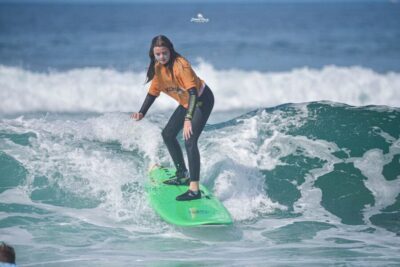
Playa de las Américas: Private or Small-Group Surf Lesson
Read our review →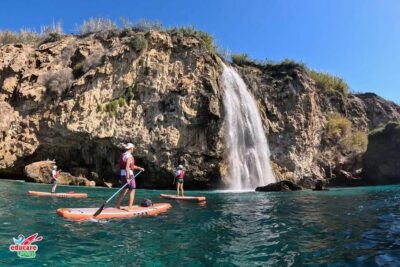
From Nerja: Guided Paddle Surf Cliffs and Maro Waterfall
Read our review →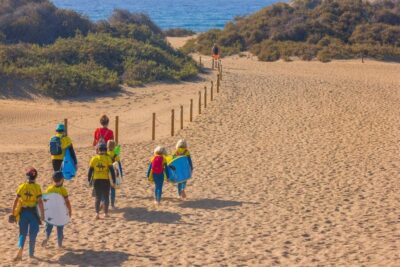
Playa del Inglés Maspalomas: High Quality Surf Classes
Read our review →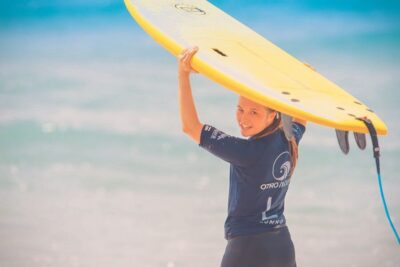
Fuerteventura: Surfing Lesson in the south of Fuerteventura
Read our review →
Lezioni di Surf per Beginner e Intermedi (6 persone a istruttore)
Read our review →
Browse the lists this tour appears in