
Review · NETHERLANDS
The Hague: Beginner’s Surf Lesson Adults
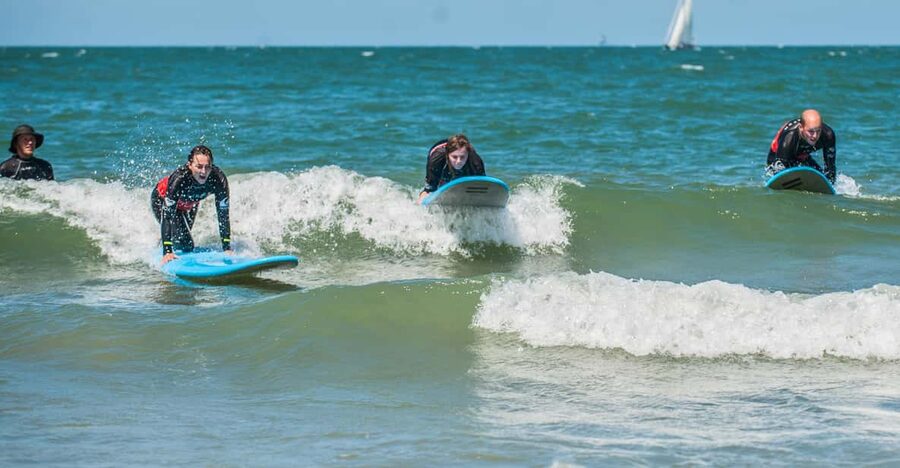
Catching a first wave in Scheveningen is the point here, not mastering a sport in one afternoon. You begin with simple safety and board lessons on the beach, then head into the North Sea with a soft-top board and a warm wetsuit. I like the small groups of six or fewer, and I like that the instructors keep the lesson friendly and easy to follow. The coach has been praised for being patient, which matters when your legs decide to forget how standing works.
The main drawback is the sea itself: conditions can affect how much time you spend upright. You must be at least 16, and you need to bring your own swimwear and towel. Still, with a strong 4.8 rating from 96 bookings, this is a well-priced way to try surfing without buying gear or committing to a longer course.
Key points at a glance
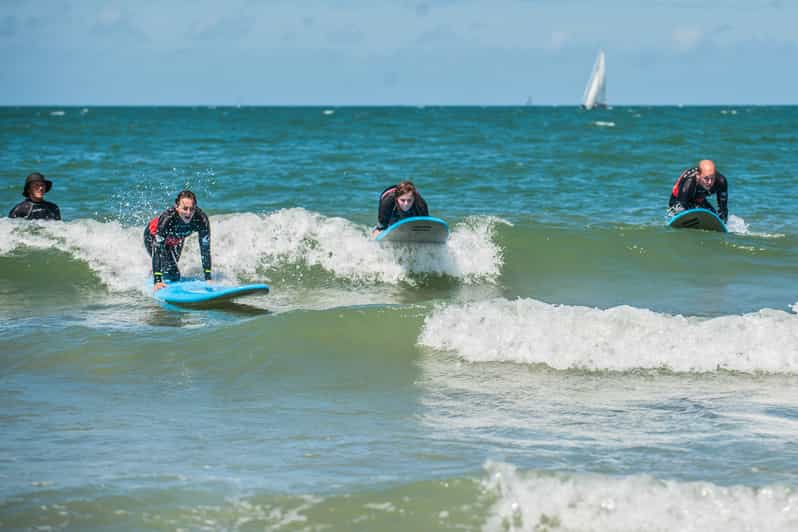
- Small classes of six or fewer: You get more room for questions and personal corrections than in a large beach lesson.
- A full two hours in Scheveningen: The session covers safety, technique, water practice, and attempts at your first wave.
- Warm equipment is supplied: A wetsuit and cap are included, with gloves and boots available in winter when needed.
- Patient, friendly instruction: The coaching is designed for complete beginners and is available in Dutch or English.
- Practical beach facilities: You have changing rooms, lockers, and hot showers after the lesson.
- Good value at $47: The price includes the board, wetsuit, instruction, and facilities, but not swimwear or a towel.
Your first look at surfing in Scheveningen
Scheveningen is The Hague’s seaside district, and Strandweg 3 puts you close to the beach where the lesson takes place. This is a useful setting for a first attempt because you do not need to arrange separate board rental, wetsuit rental, or a lesson at another location.
The session is built for adults who have little or no surfing experience. You are not expected to arrive knowing how to paddle, stand, steer, or judge a wave. The lesson begins at a basic level and works toward one clear goal: helping you catch your first wave safely.
I like that the format treats surfing as a skill to learn, rather than a stunt to perform. The instructor explains what to do before you enter the water, which gives you a better chance of staying calm once the board starts moving.
The school is Hart Beach Quiksilver Surfschool. Instruction is offered in Dutch and English, so you can ask questions in either language. The supplied information does not name individual instructors, but the coaching style has been described as patient, friendly, and easy to understand.
More Beginner Surf Lessons in the world:
- Legian Beach, Bali: Beginner or Intermediate Surf Lessons
★ 4.9 · 1,019 reviews - Maui: Two Hour Beginner Group Surf Lesson in Kihei
★ 5.0 · 950 reviews - Uluwatu: Beginner & Intermediate Surf Lesson with Equipment
★ 4.9 · 832 reviews
The beach briefing comes first
Your two hours begin on the beach with a small group of no more than six students. This is where the instructor covers water safety and explains how to move in and out of the sea with a board.
That opening briefing is more important than it may sound. A beginner needs to know how to carry the board, how to keep it under control, and how to avoid creating trouble for the people around them. You also learn several basic surfing techniques before you are asked to try them in the water.
Expect the instructor to explain the sequence behind a successful ride. You need to position yourself on the board, keep it stable, time your movement, and rise into a standing position when the wave gives you enough push. Breaking the process into steps makes the sport feel less mysterious.
The beach section also gives you a chance to ask questions before getting wet. If you are nervous about the waves, this is the moment to say so. The small class size should make it easier to get a direct answer instead of waiting for attention in a crowd.
Learning to control the soft-top board
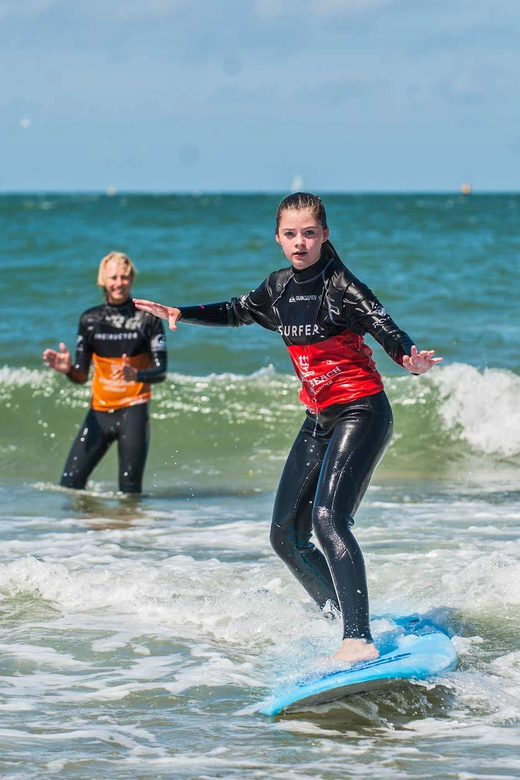
The included soft-top surfboard is a sensible choice for beginners. It is intended for learning, and you do not need to bring or rent your own equipment. That keeps the cost simple and removes one of the usual worries for a first lesson.
Board control comes before style. You learn how to handle the board and keep it in a useful position, then begin working on how to read the waves. At this stage, success may mean staying balanced for a short stretch rather than riding all the way to shore.
The instructor also teaches how to go safely into the water. This is not just a matter of walking forward with a board under your arm. You need to understand how to keep the board from swinging into another person and how to work with the conditions in front of you.
A soft-top board and close instruction make the lesson more forgiving, but you should still expect physical effort. You will be lifting a board, moving through water, and repeatedly getting on and off it. The class is aimed at beginners, not at people looking for a relaxed beach activity with no exertion.
Timing your first takeoff
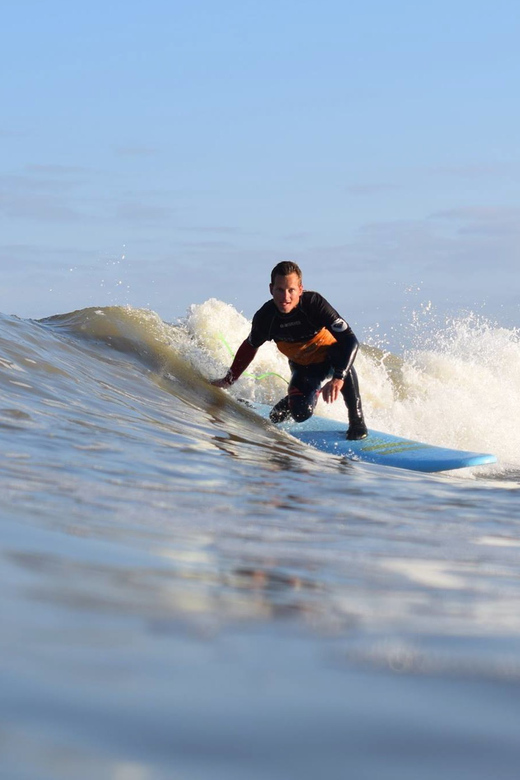
The most exciting part is learning when to try. If you stand too soon, the board can slow or wobble. If you wait too long, the wave passes under you. The instructor helps you read that moment and practice the movement needed to get upright.
You will first work on the basic position and takeoff technique. Then you try to apply it as a wave approaches. The lesson description promises a chance to catch your first wave, but it cannot promise a long ride or perfect conditions. Your result will depend on the sea, your balance, and how quickly the movement makes sense to you.
That uncertainty is part of the appeal. A first lesson should give you a clear taste of the sport, not pretend that two hours can turn you into an experienced surfer. I appreciate that this activity focuses on the first practical win: feeling the board move beneath you and managing to stay on it.
The coaching style matters here. A patient instructor can make repeated attempts feel useful rather than embarrassing. The strong rating of 4.8 from 96 reviews reflects that the experience generally succeeds at making beginners feel comfortable enough to keep trying.
More Surf Lessons around the world:
- Tenerife: Surfing Lesson for All Levels, Photos included
★ 4.9 · 1,314 reviews - Group Surfing Lesson at Playa de las Américas, Tenerife
★ 5.0 · 1,072 reviews - Canggu: 2-Hour Surf Course
★ 4.8 · 1,053 reviews - Playa de las Américas: Private or Small-Group Surf Lesson
★ 4.8 · 980 reviews
Staying warm in the North Sea
The provided equipment includes a warm wetsuit and cap. During winter, gloves and boots are available if needed. This is a major part of the value because sea water and wind can make a beginner lesson uncomfortable quickly.
You need to bring swimwear to wear under the wetsuit. You also need a towel, which is not included. It is worth packing both before leaving your hotel, since neither item is part of the supplied equipment.
After the lesson, you can use the changing rooms and hot showers. Lockers are also available for personal belongings. These facilities make the activity easier to fit into a day in The Hague, especially if you are continuing with sightseeing after the class.
The warm gear does not remove every cold-weather concern. You should still dress sensibly for the time before and after the lesson. Winter conditions also come with a greater need for gloves and boots, which the school provides when needed.
Why the small group matters
A group limit of six students is one of the best features here. Surfing requires quick feedback, especially when you are learning how to position yourself or when your takeoff keeps going wrong. With fewer people in the lesson, you have a better chance of receiving a correction before making the same mistake several more times.
Small groups also make the water practice feel less chaotic. The instructor can keep an eye on the class and help you understand when to attempt a wave. You will still need to pay attention and follow safety instructions, but you are not simply left to copy a distant figure on the beach.
The class is not private instruction, so do not expect continuous one-to-one coaching. You will share the instructor’s attention with up to five other people. For a first taste at $47, that compromise seems reasonable, especially since the group remains limited.
What the $47 price includes
At $47 per person, the lesson offers fair value for a two-hour introduction. Your fee covers the instructor, a soft-top board, a warm wetsuit, and a cap. In winter, gloves and boots are included when needed, and you also have access to changing rooms, showers, and lockers.
The price is strongest if you do not own surf equipment. Renting a board and wetsuit separately would add cost and require more planning. Here, the equipment is ready as part of the lesson, and you can focus on learning rather than organizing gear.
The cost does not include swimwear or a towel. Those are small items, but forgetting either one could make the start or finish of the activity less comfortable. Bring both, and the price covers most of what you need for the beach session.
This is not the right choice if you already surf confidently and want advanced coaching. The value comes from the structure, safety guidance, and beginner equipment. You are paying for a clear first lesson, not a full progression course.
Who should book this lesson
This activity suits adults aged 16 and over who want to try surfing without making a major commitment. You do not need prior experience, and the instruction is available in Dutch and English. The small group should work well if you want support but do not need a private instructor.
It is also a good pick for a short stay in The Hague. A two-hour session leaves room for other plans, while the location in Scheveningen gives you a direct introduction to the city’s beach district. The changing rooms, lockers, and hot showers are helpful if you are fitting the class between other activities.
You should be comfortable with a physical, outdoor lesson. The class involves water, repeated attempts, and the possibility that conditions will not cooperate perfectly. If you want guaranteed calm water and a completely predictable schedule, surfing may test your patience.
The minimum age is 16, so this particular lesson is not an option for younger children. The supplied information does not give a separate youth program or a fitness requirement, so contact the provider if you need details beyond the stated age rule.
Booking details that matter
The meeting point is Strandweg 3, 2586JK Scheveningen, The Hague. Check the available start times when booking, since the exact schedule is not fixed in the information provided.
You can cancel up to 24 hours before the activity for a full refund. The reserve-now-and-pay-later option lets you hold a place without paying immediately, which is useful if your Hague plans are still shifting.
Bring swimwear and a towel. The school supplies the surfboard, wetsuit, cap, and winter accessories when needed. Dutch and English are the available teaching languages.
Is this Scheveningen surf lesson worth booking?
I would book this lesson if you want a low-risk first taste of surfing in The Hague. The combination of a small class, patient coaching, warm equipment, and practical beach facilities gives you a solid chance to enjoy the attempt without buying gear or signing up for a longer program.
Keep your expectations sensible. You may catch a wave, but you may also spend much of the session learning balance and repeating the takeoff. That is still a useful result for a first lesson.
Book it if you are at least 16, willing to get wet, and curious about surfing. Skip it if you want advanced training, a private class, or a fully controlled activity. For $47, this is a friendly and practical introduction to the North Sea and to a sport that is much harder, and more fun, than it looks from the beach.
FAQ
Where does the surf lesson meet?
Meet at Strandweg 3, 2586JK Scheveningen, The Hague.
How long does the surf lesson last?
The lesson lasts two hours. Check availability for the available starting times.
What languages does the instructor speak?
Instruction is available in Dutch and English.
What equipment is included?
A soft-top surfboard, warm wetsuit, and cap are included. Gloves and boots are also available when needed during the winter months.
What should I bring?
Bring your own swimwear and towel. The activity does not include either item.
How old do I have to be?
You must be at least 16 years old to take part.
Latest surf sessions around the world
- Waikiki: Family, Private, and Group Surfing Lessons★ 5.0 · 4 reviews
- Waikiki: Surf Lessons Easy 60 min classes no crowds!★ 4.9 · 21 reviews
- Valencia: Excursión en Moto de Agua + Paddle Surf★ 4.9 · 9 reviews
- Tricana Surf Experience★ 5.0 · 3 reviews
- Uluwatu: Surf Lessons Beginner★ 5.0 · 3 reviews
- Astonishing Scavenger Hunt: Surf, Sand and Sculptures!★ 3.0 · 2 reviews
- Two- Hour Group Surfing Lesson in Cocoa Wrightsville Beach, NC★ 5.0 · 13 reviews
- Electric Bike Rentals in Topsail Island and Surf City★ 5.0 · 2 reviews
Netherlands Surf Lessons, compared.
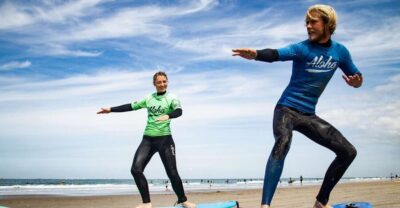
Scheveningen Beach: 1,5-Hour Surf Experience for Adults
Read our review →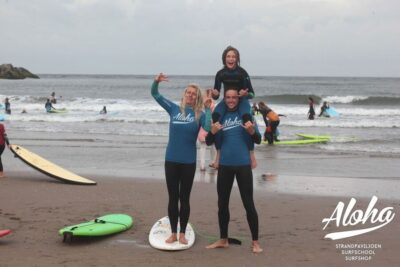
Scheveningen Beach: 1,5 hour Surf experience for families
Read our review →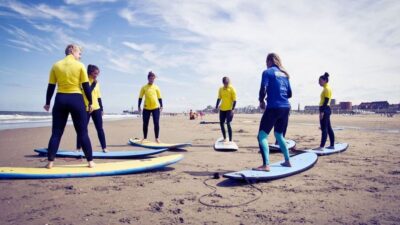
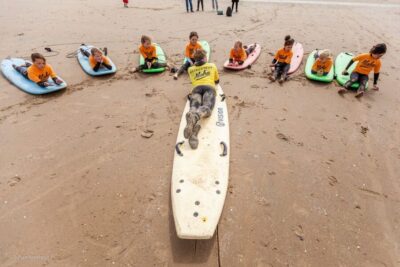
Scheveningen Beach: 1,5-Hour Surf Experience for kids
Read our review →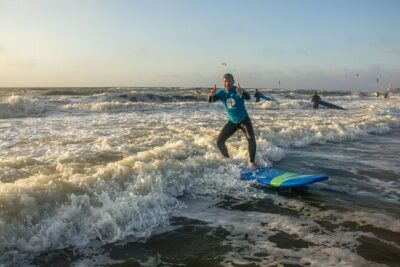
Browse the lists this tour appears in