
Review · CARCAVELOS
Sintra: 2-Hour Group Surf Lesson at Praia Grande
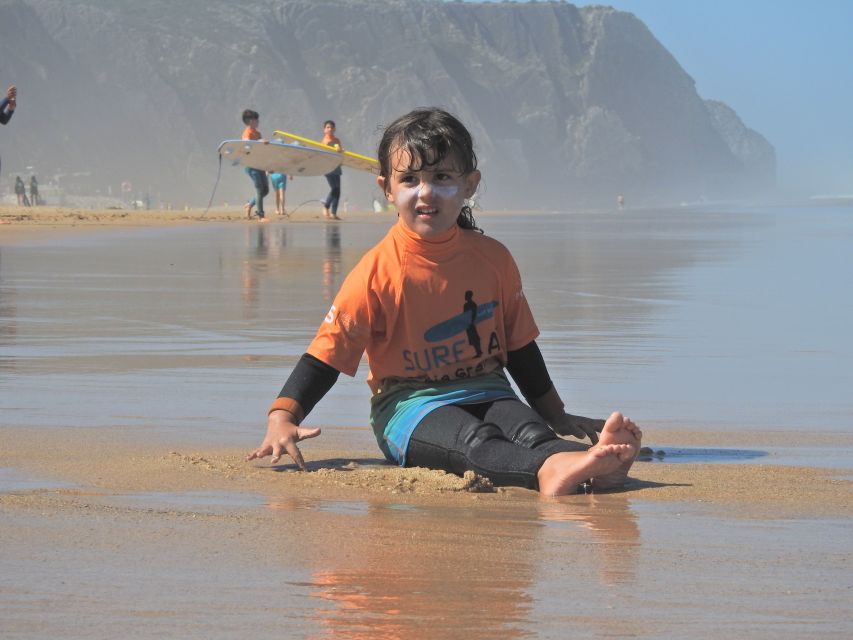
Praia Grande gives this lesson a fine setting: you get a taste of Portugal’s Atlantic surf without leaving the Sintra area. The small groups of up to five and level-based teaching are the main draw, especially if you want more than a quick paddle and a board rental.
I like two practical touches here. Your coach checks your ability before the lesson, and the school can move the group to another beach at no extra cost when the sea is better elsewhere. The main concern is organization: one recent experience described confusing directions to the beach, missed safety information, unsuitable equipment, and too little help in the water. I would confirm the meeting routine when you arrive and speak up quickly if your board or wetsuit does not feel right.
Key points to know before you book
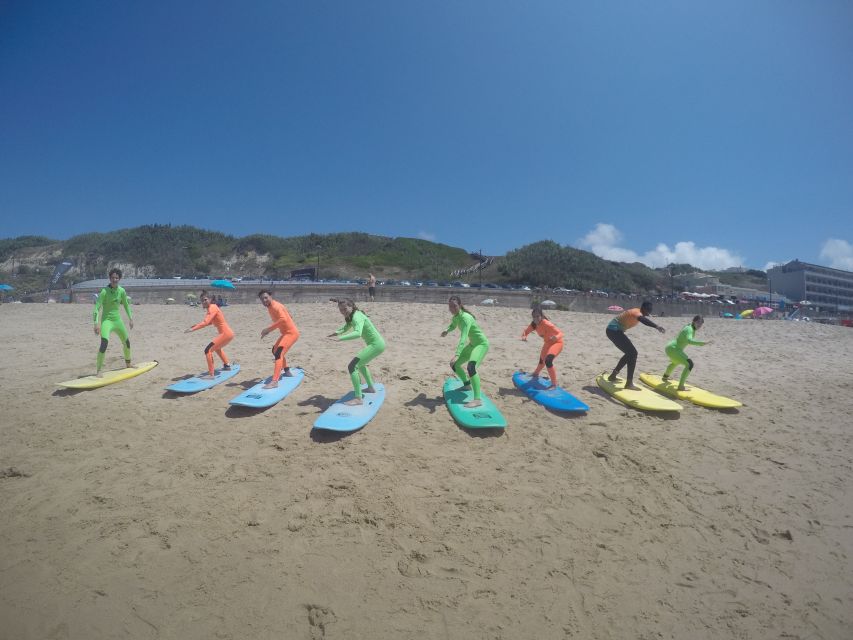
- Small groups of up to five: Your coach can set different targets for beginners, intermediate surfers, and advanced surfers without managing a large crowd.
- Praia Grande is not your only option: The lesson may move to Praia das Maçãs, Carcavelos, or Costa da Caparica when another beach offers safer or more useful conditions.
- Your board and wetsuit are selected by level: The package includes a 4.3mm wetsuit and a board intended to match your ability.
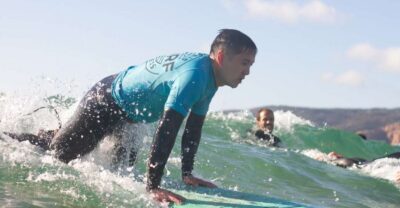
- Two hours includes shore work and water time: Expect assessment, technical drills on the sand, safety guidance, and practice in the surf.
- Coaching is the strongest positive point: The experience has a 4.5 out of 5 rating from 16 ratings, including a five-star comment specifically praising the coaching.
- Bring the basics: You need swimwear, a towel, and sunscreen. Food, drinks, and hotel transport are not included.
Why Praia Grande makes a good classroom
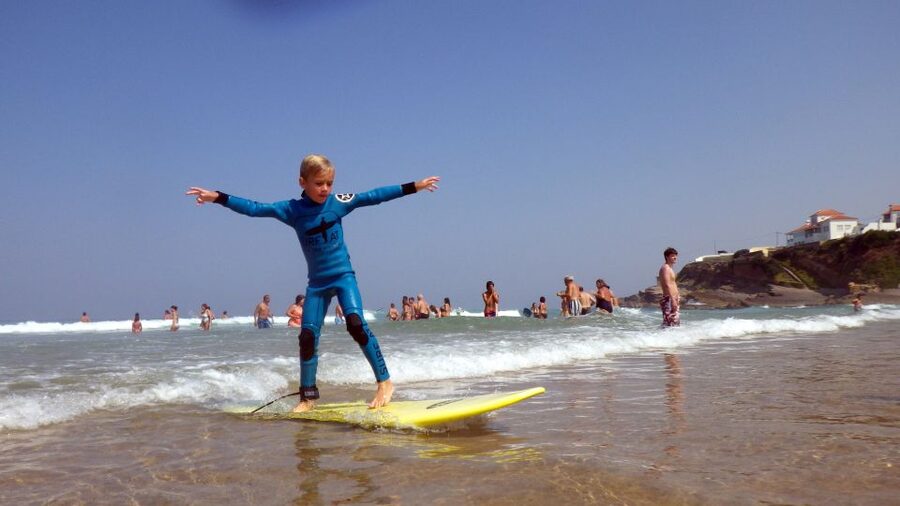
Praia Grande is one of the main surf beaches near Sintra, and it gives this lesson a proper Atlantic setting rather than a pool-like introduction. The beach is part of the experience, but the coach’s choice of beach matters just as much as the sand under your feet.
The sea changes. A beach that works well for one group may be too rough, too weak, or simply less suitable for another group later in the day. This school works around that problem by operating at Praia Grande and Praia das Maçãs, with licenses that also cover Carcavelos and Costa da Caparica.
That flexibility is valuable for a first lesson. You are not locked into one stretch of coast if conditions are poor. If the group needs to move, transport is provided in the school’s van without an added charge.
You should still keep your expectations sensible. A two-hour lesson is enough to learn the basic movement and get a feel for catching waves, but it is not a full surf course. The goal is to make useful progress in one session, not turn you into an experienced surfer by lunchtime.
More Group Surf Lessons in Portugal
- Porto: Small Group Surf Lesson with Transportation
★ 4.9 · 594 reviews - Funchal: Madeira Island Group Surf Lesson
★ 4.7 · 282 reviews - Ribeira Grande, Azores: Group Surf Lessons
★ 4.9 · 198 reviews
What happens before you enter the water
The lesson begins with an assessment on shore. Your coach checks whether you are a beginner, intermediate, or advanced surfer, then sets goals based on both your ability and the sea conditions that day.
This is more useful than putting everyone through the same routine. A first-timer needs help with balance, board position, standing technique, and reading a small wave. A more experienced surfer may need a different focus, such as timing, takeoff position, or refining movement.
The school also forms groups according to age and level. With a maximum of five surfers in a group, the coach should have a manageable number of people to watch. That setup is one of the strongest reasons to choose this lesson over a large beach class.
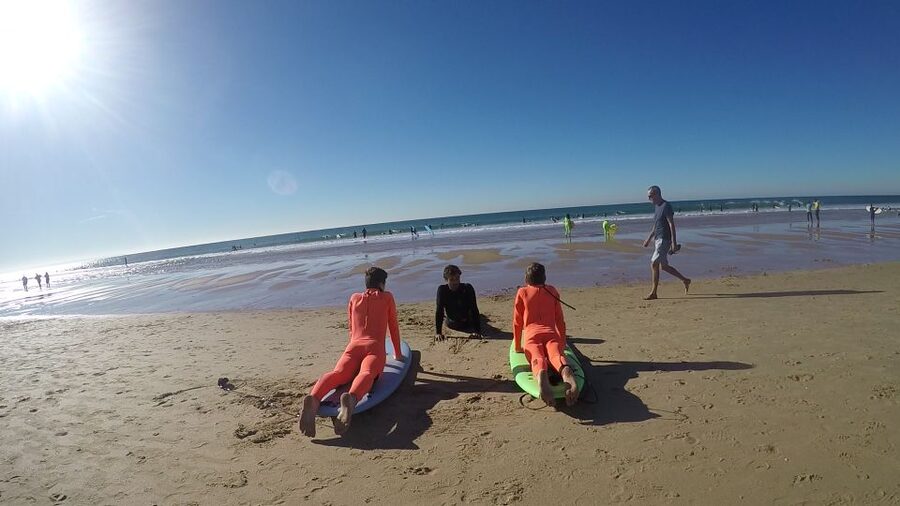
On the sand, you work through technical exercises before facing the waves. This is where you learn the basic body position and the movements needed to stand on the board. The dry practice may feel simple, but it helps you avoid trying to learn every step while being pushed around by the water.
Safety guidance is also part of the process. Pay close attention here, even if you have surfed before. Beach breaks can change quickly, and knowing how to handle the board, where to position yourself, and how to respond to the coach matters more than looking stylish on your first attempt.
Equipment matched to your level
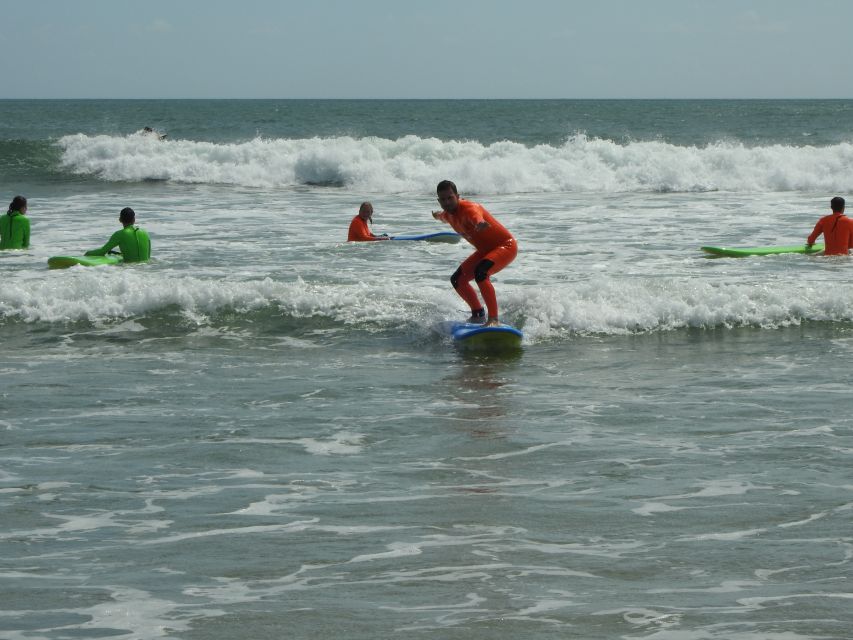
The price includes a 4.3mm wetsuit and a surfboard adapted to your ability. That makes the $56 cost easier to judge, since you are paying for instruction, equipment, insurance, and possible transport to another beach rather than only for access to a board.
A suitable board can make or break a first lesson. A board that is too small or difficult to control can leave you spending the session simply trying to keep it steady. The school says equipment is selected to make the experience easier and more enjoyable at each level.
Still, check the fit yourself. One poor experience involved boards that felt hard to handle and wetsuits handed out before the group made its way to the beach. You do not need to accept an uncomfortable or unsuitable setup quietly. If the board feels far beyond your ability, tell the coach before entering the water.
The wetsuit is 4.3mm thick, which provides warmth for Atlantic conditions. You need to bring your own swimwear to wear underneath, plus a towel for changing afterward. Sunscreen is not included, and you should bring it yourself.
The two-hour lesson in real terms
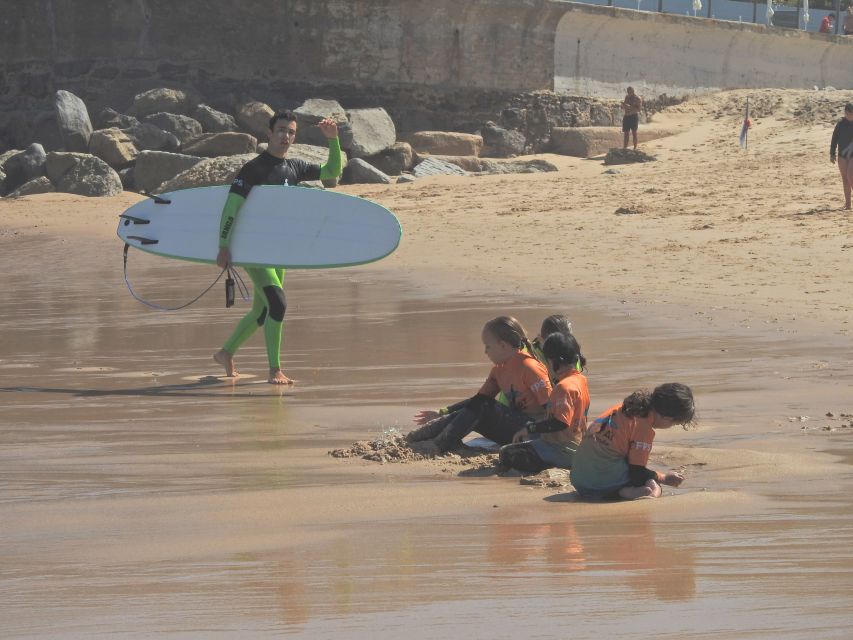
The advertised duration is two hours. That time covers the shore assessment, dry-land technique, safety instruction, and water practice.
For a beginner, the session usually works best when you treat the first part as essential rather than as time taken away from surfing. You need to understand how to lie on the board, how to get into position, and how to stand before you can make sensible use of a wave.
Once you reach the water, the coach’s job is to help you apply those skills. The value of the small group depends on active instruction: you should receive direction on where to position yourself, when to paddle, and how to correct your technique. The strongest positive feedback for this experience centers on good coaching, and that is the feature that should define the lesson.
At the same time, the water portion can feel demanding. You may spend more energy than expected paddling, balancing, and getting back into position. One recent poor experience described a participant becoming frustrated and exhausted while struggling to get into position, with too little help from the instructors. That account is a serious warning about the need for clear communication and close supervision.
If you are having trouble, say so directly. Ask the coach to watch your next attempt, request a change of board if needed, and tell the instructor if you are tired or uncomfortable. Good surf teaching is not only about sending people toward waves. It is also about keeping the group aware, safe, and involved.
Same water, another way to ride it:
- Matosinhos: Surfing Lesson with Equipment
★ 4.8 · 926 reviews - Lisbon Surf Experience
★ 4.9 · 876 reviews - Albufeira: Surf Lesson
★ 4.7 · 699 reviews - Albufeira: 2-Hour Falesia Beach Surf Lesson
★ 4.8 · 464 reviews
Why the small group matters
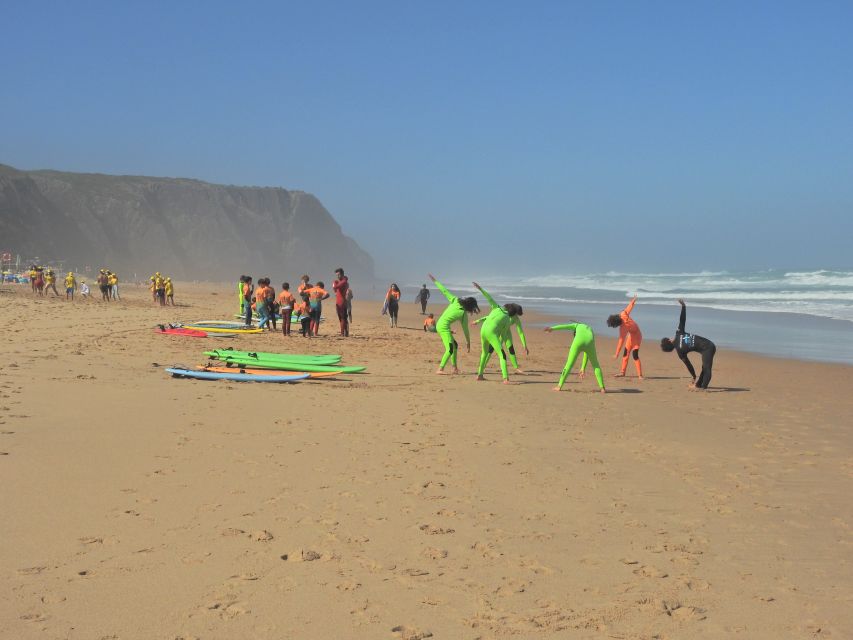
A maximum of five surfers is a strong number for a practical lesson. Your coach has fewer people to monitor, and the group can be arranged around similar ages and abilities.
That arrangement should help the class move at a steady pace. Beginners are not expected to keep up with advanced surfers, while more experienced participants can work on specific goals instead of repeating the first standing drill all morning.
Small does not automatically mean highly personal, though. The coach still has to divide attention among the group. The quality of the session will depend on whether the instructor actively watches each surfer and gives useful corrections.
I would use the first few minutes to make your needs clear. Tell the coach if you have never surfed, if you have surfed before but feel rusty, or if you are worried about the sea. This gives the instructor better information when setting your targets.
The beach-transfer option adds real value
The ability to change beaches is more than a convenient extra. It gives the school a way to respond to the day instead of forcing every group into the same conditions.
The local operating area includes Praia Grande and Praia das Maçãs. The school is also licensed to use Carcavelos and Costa da Caparica. If the group needs to move, the van transfer is included in the price.
You may appreciate this most on a day when the waves at the first beach are not suitable for your level. A beginner needs manageable conditions, while a stronger surfer may need enough wave energy to work on technique. Matching the beach to the group is central to getting value from a short lesson.
The trade-off is that moving beaches takes time. The session is still listed as two hours, so a transfer could reduce the time available in the water. The information does not state how long a possible move takes, so ask at the meeting point if beach changes are likely that day.
Is $56 a fair price?
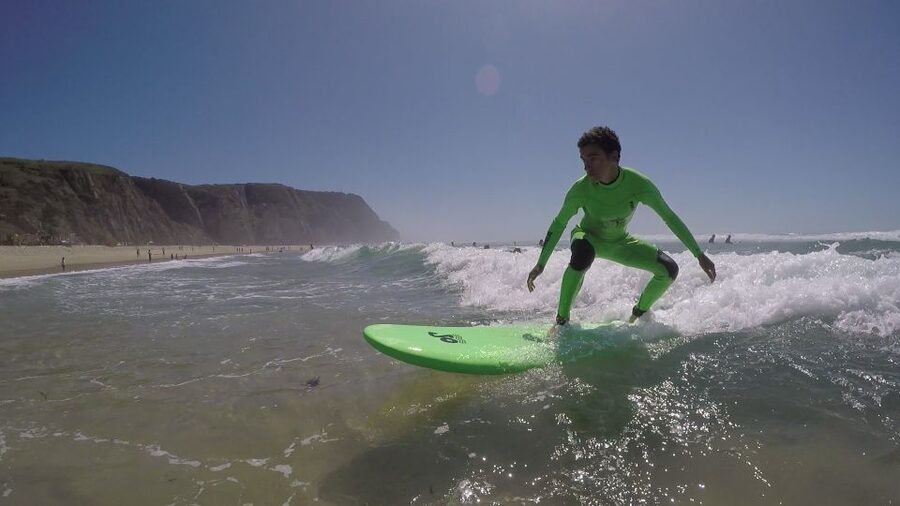
At $56 per person, this is not the cheapest way to stand near the sea with a surfboard. It is a reasonable package if you use the included elements: two hours of coaching, a 4.3mm wetsuit, a board suited to your level, insurance, and transport to another beach when conditions require it.
The small group makes the price more attractive. A large class can offer a lower rate, but you may spend much of the session waiting for a turn or trying to get the instructor’s attention. Here, the maximum of five creates a better chance of receiving useful corrections.
The included beach transfer also protects your booking from a bad choice of surf location. You are paying for a lesson with some flexibility, not simply for a fixed appointment at Praia Grande.
I would see the value differently depending on your goal. If you want a quick introduction and hope to catch a few beginner waves, the cost is easier to justify. If you already surf confidently and only need a board, a lesson may offer less value unless you want coaching on technique.
Meeting point and practical preparation
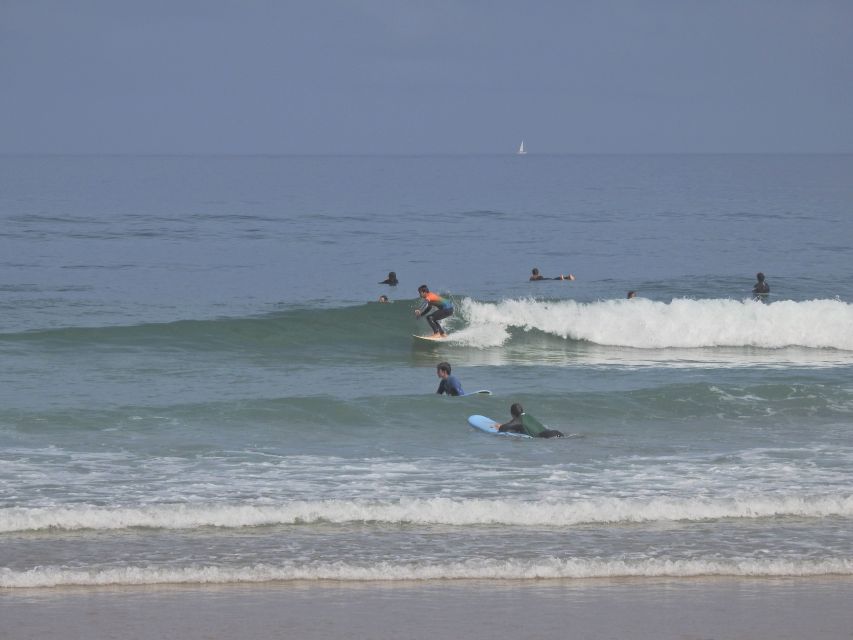
Look for the Surf At Surfschool sign. Hotel pickup and drop-off are not included, so you need to arrange your own way to the meeting point.
The instructions say to bring swimwear, a towel, and sunscreen. Food and drinks are also not included, so plan those separately if you expect to spend time at the beach before or after the lesson.
I would arrive ready to move from the meeting point to the sand. One recent account described participants receiving wetsuits and boards, then having to find the beach meeting point on their own while the warmup had already started. Clear directions matter, so ask where the group is heading before leaving the initial meeting area.
The school offers instruction in English, Spanish, and Portuguese. That gives you a useful choice if you are more comfortable learning surf terms in Spanish or Portuguese rather than English.
Who will enjoy this lesson most
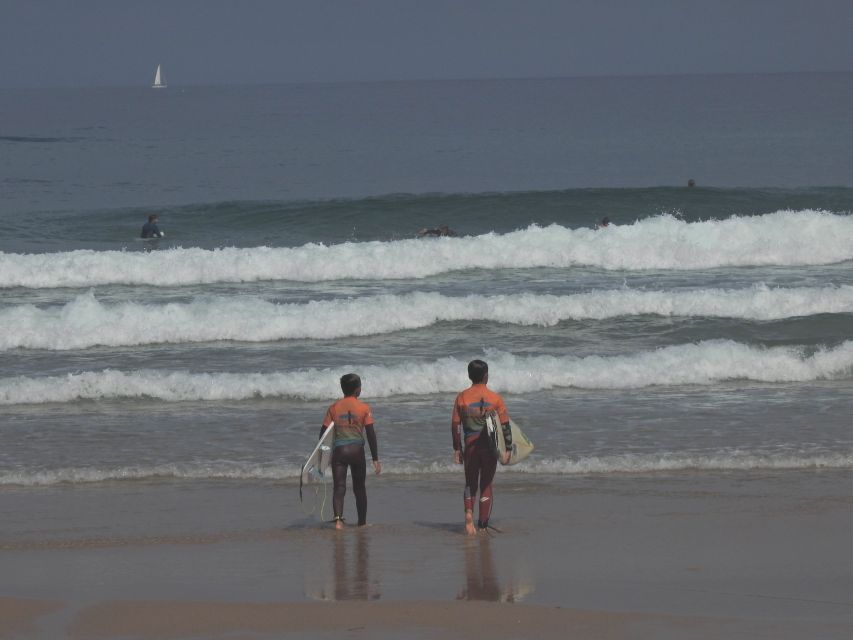
This experience fits a first-time surfer who wants instruction near Sintra and does not want to arrange a board, wetsuit, insurance, and beach transport separately. The short duration also works well if surfing is one part of a larger day in the Lisbon District.
It suits intermediate surfers who want to improve with a coach rather than simply rent equipment. The level check and beach selection may help you work on a specific skill, provided you explain your aim at the start.
Families and mixed-ability groups may also benefit from the age and level grouping. The information does not give a minimum age, so you should confirm that before booking for a child.
This is less suitable if you expect a private lesson, hotel transportation, or a guaranteed session at Praia Grande. It is also not the best choice if you want to learn without any physical effort. Surfing requires repeated attempts, paddling, balance, and patience, even in a beginner class.
How I would make the most of the session
I would arrive with a clear idea of my level. If you have never surfed, say so. If you have taken several lessons, tell the coach what still gives you trouble.
I would check the wetsuit and board before walking to the beach. The equipment should feel manageable, and you should know which board is yours. If anything feels wrong, speak up right away rather than trying to manage it in the water.
I would also listen carefully to the safety briefing. One participant reported missing those instructions after stepping away to get water, so do not let a short interruption leave you unsure about the rules. Ask the coach to repeat anything you did not hear.
Finally, I would treat the first wave as practice, not a test. Your useful result may be learning to position the board, stand correctly, or understand how the beach works. If you catch a clean wave as well, that is a fine bonus.
Should you book this Sintra surf lesson?
Book it if you want a compact, coached introduction to surfing and value the chance to change beaches when conditions are better elsewhere. The maximum five-person group, level-based instruction, included equipment, and multilingual coaching give it a solid structure. The 4.5 out of 5 rating from 16 ratings, along with a clear five-star note for coaching, supports that choice.
I would book with one condition: confirm exactly where to meet and make sure the coach knows your level before the warmup begins. The poor experience involving difficult equipment, missed safety information, and limited attention in the water should not be ignored.
For a first lesson near Sintra, this is a sensible option when the school delivers the close coaching promised. If you want private attention or hotel pickup, choose a different format. If you want a small group, flexible beach choice, and a practical two-hour introduction, $56 is a fair price.
FAQ
How long is the surf lesson?
The lesson lasts two hours.
Where does the lesson take place?
The main beaches are Praia Grande and Praia das Maçãs near Sintra. The school is also licensed to use Carcavelos and Costa da Caparica.
Can the lesson move to another beach?
Yes. If better or safer conditions are needed, transport to another beach is provided in the school’s van at no extra cost.
How many surfers are in each group?
Each group has a maximum of five surfers.
How are surfers placed into groups?
The school forms groups according to age and surfing level.
Is surf equipment included?
Yes. The package includes a 4.3mm wetsuit and a surfboard adapted to your level.
Is insurance included?
Yes. Insurance is included in the activity.
Which languages are available?
Instruction is available in English, Spanish, and Portuguese.
What should I bring?
Bring swimwear, a towel, and sunscreen.
Is hotel pickup included?
No. Hotel pickup and drop-off are not included.
Are food and drinks included?
No. Food and drinks are not included.
Can I cancel for a full refund?
You can cancel up to 24 hours in advance for a full refund.
More Two-Hour Experiences in Portugal
- 2-Hour Surf Lesson in Alentejo
★ 5.0 · 243 reviews - Algarve: 2-Hour Beginner Surf Lesson
★ 4.8 · 192 reviews - Quarteira: 2-Hour Surf Lesson at Falésia Beach
★ 4.9 · 78 reviews - Sintra: 2-Hour Private Surf Lesson at Praia Grande
★ 4.9 · 6 reviews
Latest surf sessions around Portugal
- Tricana Surf Experience★ 5.0 · 3 reviews
- Exclusive Surf Lessons in S Miguel Azores★ 5.0 · 21 reviews
- Guided surf tours from Porto city to the beach★ 4.5 · 10 reviews
- Self-guided tour Bike + Surf★ 5.0 · 6 reviews
- Surf Lessons in Porto with transfer at Porto Surf School★ 5.0 · 42 reviews
- Surf Lesson | Surf Lessons★ 5.0 · 39 reviews
- Private Surf Experience – Transfer to Matosinhos – All Levels★ 5.0 · 7 reviews
- Small Group Surf Coaching in Porto with photos★ 5.0 · 28 reviews
Carcavelos Surf Lessons, compared.
Lisbon – Cascais: Surf, Smile and Sunsets (Lessons Everyday)
Read our review →

Browse the lists this tour appears in