
Review · SPAIN
Full-Day Surf Class in Lanzarote: Take Your Skills to the Next Level
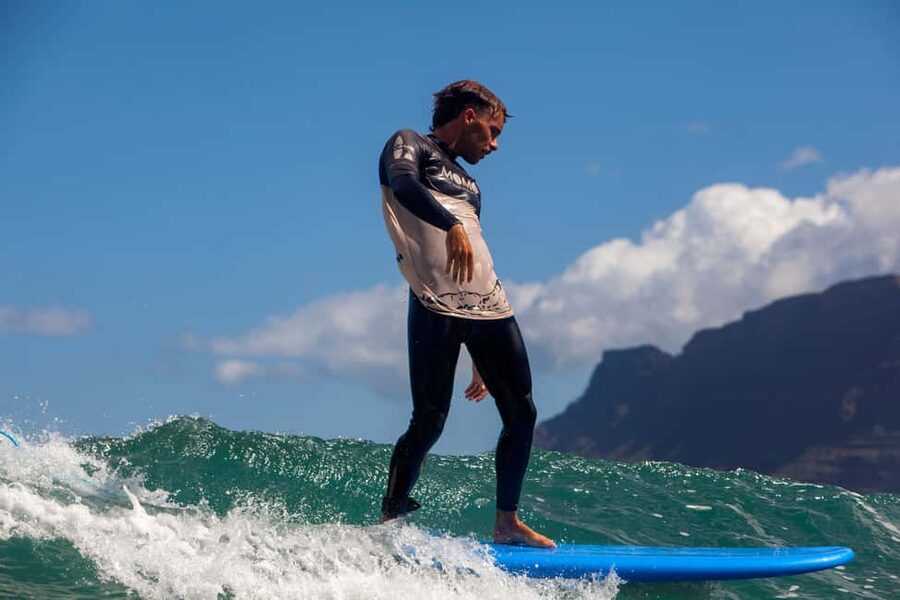
The useful twist here is the two-block format. Instead of one long push in the water, you get 1 hour and 45 minutes of coaching, a 30-minute rest and feedback break, then another 1 hour and 45 minutes to put corrections into practice. That makes this a serious half-day lesson, not a quick try at standing on a board.
I like the level-based coaching, since beginners work on paddling and take-off while stronger surfers can focus on turns, speed, and board control. I also like that the board, wetsuit, lycra, insurance, warm-up, and stretching are included. The main consideration is simple: four hours of surf training takes energy, and the $74 price may feel high if you only want a gentle introduction rather than focused practice.
Key points to know
- Two 1-hour-45-minute surf sessions: You get plenty of water time, with a 30-minute break between blocks.
- Coaching for every level: Beginners learn the basics, while intermediate and advanced surfers work on technique and control.
- Caleta de Famara setting: The class takes place in a natural beach setting with waves selected for different abilities.
- All main equipment included: Your package covers a level-appropriate board, wetsuit, and lycra.
- Spanish, French, and English instruction: You can receive the briefing and coaching in one of three listed languages.
- Fun but professional teaching: The strongest available feedback praises the instructors for combining a good sense of fun with professional coaching.
What the four-hour format really gives you
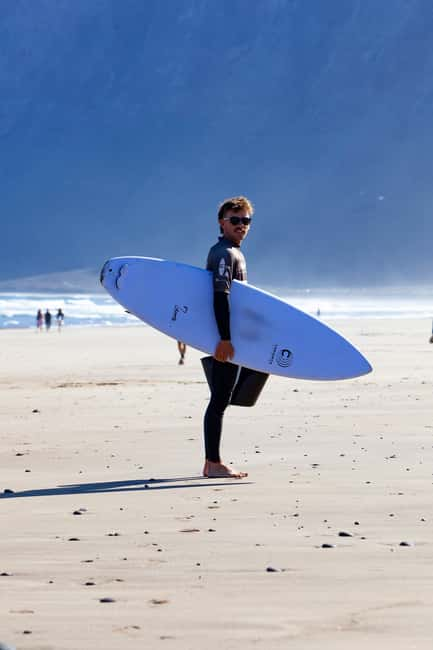
Momo Surf School’s class is built around repetition. Surfing rarely clicks after one attempt, so the value here comes from having enough time to try, fail, adjust, and try again while the lesson is still fresh in your mind.
The schedule is split into two water sessions of about 1 hour and 45 minutes each. That is long enough to work through several exercises without rushing, but the middle break keeps the class from becoming a slow battle against tired arms. I like this setup for anyone who wants progress rather than a simple photo opportunity.
The break is not dead time. You use it to hydrate, recover, and hear personal feedback. You also get a chance to share the experience with the group and think about what to change in the second session. For a beginner, that pause can help make sense of the first attempts. For a more experienced surfer, it provides a useful reset before working on specific technique.
The total duration is listed as four hours, including the break and the beach finish. Check the available starting times when you book, since the exact schedule is not fixed in the information provided.
More Full-Day Trips in Spain:
- Full Day Surf Lesson for Beginners in Famara, Spain
★ 5.0 · 109 reviews - Gold Coast Full Day Learn To Surf Adventure
★ 5.0 · 45 reviews - Sagres: Full Day Surfing Lessons
★ 5.0 · 31 reviews
Meeting at Momo Surf School, then heading to Famara
You begin at the Momo Surf School meeting point. The class then takes place at Caleta de Famara, with the group returning to the school meeting point at the end.
The meeting point matters because the first part of the session includes equipment handout and preparation. You receive a surfboard suited to your level, a wetsuit, and a lycra. You should bring beachwear, and you will want to be ready to spend a large part of the morning or afternoon in and around the water.
The opening briefing covers the sea conditions, the local environment, safety rules, and the goals for the class. This is useful even if you have surfed before. Conditions can change, and knowing how to read the water and behave around other surfers is part of becoming more independent.
Before getting wet, the instructors lead a warm-up. It is a small detail, but a valuable one. Surfing calls for repeated paddling, quick movement, balance, and sudden changes in position. A guided warm-up prepares your body better than simply grabbing a board and running toward the waves.
First water block: building the right habits
The first water session lasts about 1 hour and 45 minutes. The content changes according to your experience, which keeps the class from treating every surfer like a complete beginner.
If you are starting from scratch, expect work on paddling, standing up, balance, and reading your first waves. The take-off, or the movement from lying on the board to standing, is the main early hurdle. Good instruction here is about body position and timing, not just shouting for you to stand faster.
You also learn how to read the first waves. That means understanding which waves are suitable for your ability and when to begin paddling. These basics are more valuable than chasing a difficult wave too soon. A calm, repeatable approach helps you gain confidence and reduces wasted effort.
Intermediate surfers work on catching waves without constant assistance. The focus includes posture, reading the sea, and the first maneuvers. That is a useful middle ground for someone who can stand up but still needs help turning a promising ride into a controlled one.
Advanced surfers receive a different kind of lesson. The stated focus is fluidity, turns, speed, and board control. That should appeal to someone who already has a working foundation and wants sharper movement rather than another round of beginner drills.
The group format can be a plus here. You get the energy of learning with other people, but the instructors are expected to adjust tasks to individual levels. The trade-off is that a group class cannot provide the same constant one-to-one attention as a private lesson.
The 30-minute break: rest, water, and useful corrections
After the first session, you have a 30-minute break. Treat it as part of the lesson, not an optional pause you can skip.
Surfing uses the upper body heavily, especially when paddling repeatedly. By the end of the first block, you may also have spent plenty of effort getting back on the board after missed take-offs. Resting helps you return to the water with enough energy to learn rather than simply endure the final hour.
This is also the point for personalized feedback. The instructors review your performance and identify what to work on next. That feedback gives the second session a clear purpose. Instead of repeating the same mistake, you can focus on one or two changes, such as improving your posture, adjusting your timing, or controlling the board through a turn.
The social side may suit you, too. The group has time to compare progress and encourage one another. The available feedback describes the instructors as fun and professional, which is a good combination for a sport that can feel awkward at first. Surfing is easier to stick with when the mood stays supportive.
You should still pace yourself. Four hours near the sea is a demanding block of activity, and the break is there for recovery and hydration. Do not treat it as a race to squeeze in more practice.
More Surf Lessons around Spain:
- Tenerife: Surfing Lesson for All Levels, Photos included
★ 4.9 · 1,314 reviews - Group Surfing Lesson at Playa de las Américas, Tenerife
★ 5.0 · 1,072 reviews - Playa de las Américas: Private or Small-Group Surf Lesson
★ 4.8 · 980 reviews - From Nerja: Guided Paddle Surf Cliffs and Maro Waterfall
★ 4.5 · 400 reviews
Second water block: turning advice into progress
The second session returns to the water for another 1 hour and 45 minutes. This is where the class earns its intensive label.
You apply what you learned in the opening session and work through more specific exercises. Instructors continue to guide, correct, and motivate the group, with the aim of fixing mistakes while you are still making them. That immediate correction is more useful than receiving a list of general advice at the end.
For a beginner, this second block can be the point where the movement starts to feel less foreign. You may get more chances to paddle into suitable waves, repeat the take-off, and improve balance. The class does not promise a particular number of successful rides, but the long session gives you more attempts than a short lesson would.
For an intermediate surfer, the second block is a chance to catch waves more independently and refine posture or early turns. You can use the instructor feedback to avoid falling into the same habits each time.
For an advanced participant, the benefit lies in repetition with a purpose. Working on speed, turns, fluidity, and board control takes more than one attempt. A longer session gives you room to test a change, receive a correction, and try again.
The natural conditions remain part of the lesson. Waves are described as suitable for all levels, but the sea is never a perfectly controlled classroom. You need to accept that wave quality, timing, and your own energy will affect the session. A good class teaches you to work with those variables rather than expect every attempt to go smoothly.
Ending with stretching and a practical send-off
The class finishes with gentle stretching on the beach and a final talk. This helps bring the body down after repeated effort and gives the day a clear ending.
The closing advice is personalized, with recommendations for improving and enjoying surfing safely. That matters because the next step after a lesson is often where people lose momentum. You leave with more value if you know what to practice next, rather than simply remembering a few successful rides.
I also like that safety is addressed at both ends of the class. You receive basic theory before entering the water, then get final guidance on how to continue in a safe and enjoyable way. The experience includes accident insurance, which provides useful protection as part of the booking, though it does not remove the need to follow the instructors’ directions.
What is included, and what you still need
The package includes the main items you need for the lesson:
- A surfboard matched to your level
- Wetsuit and lycra
- Two practical water blocks
- A 30-minute rest and feedback break
- Certified instructors
- Personalized attention and ongoing corrections
- Basic technique and safety theory
- Guided warm-up and beach stretching
- Accident insurance
You need to bring beachwear. The supplied information does not list towels, food, drinks, sunscreen, or transport, so do not assume those are provided. Since the class includes a rest period, bringing water would be a sensible personal choice, but the activity details only specifically require beachwear.
The language options are Spanish, French, and English. This is helpful for a mixed international group, especially during safety instructions and technical corrections. Some activity information may appear in its original language, so if you need a particular language, select the appropriate option when booking.
Is $74 a fair price?
At $74 per person, this is not the cheapest way to touch a surfboard. It is also not priced like a brief first lesson. You receive four hours at the meeting point and beach, two long coached sessions, equipment, insurance, warm-up, stretching, and a feedback break.
I see the strongest value for someone who wants to make real progress during a short Lanzarote stay. The second session is the key. A shorter class might teach you the mechanics, but this format gives you time to use corrections and repeat the movement.
The price is less attractive if you are unsure about surfing, dislike group activities, or only want to try standing on a board once. In that case, a shorter introductory class could be a better fit if one is available. But for a visitor who wants concentrated practice without arranging equipment separately, $74 is reasonable.
The certified instructors are part of the value, too. Surfing involves safety decisions as well as technique. Having someone monitor the group, adapt the work to your level, and provide continuous feedback is more useful than simply renting a board and guessing your way through the waves.
Who should book this class?
I would choose this experience if you fit one of these descriptions:
- You are a beginner who wants more than a quick introduction.
- You have surfed before but still need help catching waves alone.
- You want to work on turns, speed, fluidity, or board control.
- You learn best through repetition and direct correction.
- You enjoy a social group setting with a positive tone.
- You want equipment and insurance included in one price.
It may not suit you if you want a private lesson, a relaxed beach morning, or a short activity between other plans. The four-hour commitment is substantial, and the class is designed to use that time actively.
The available feedback gives the instructors high marks for being both fun and professional. That is especially important for beginners, who need clear correction without feeling embarrassed by early falls. Still, only two ratings are available, so I would treat that as encouraging rather than proof that every session will feel identical.
Booking details worth knowing before you go
You can cancel up to 24 hours before the activity for a full refund. The reserve-now, pay-later option lets you hold a place without paying at the time of booking, which is useful when your Lanzarote plans are not final.
The experience lasts four hours, but starting times depend on availability. The meeting point is Momo Surf School, and the group returns there after the work at Caleta de Famara.
Bring beachwear and plan around the full block of time. Since the activity includes water sessions, a rest period, and a beach finish, avoid scheduling something immediately afterward unless you have plenty of margin.
Should you book the Momo Surf School class?
Book it if you want a focused half-day of surfing rather than a casual splash in the sea. The two long water sessions, level-based coaching, equipment, insurance, and mid-class feedback make the $74 price easier to justify.
I would be especially inclined to recommend it to beginners who want patient repetition and to intermediate surfers who need help becoming more independent in the waves. Advanced surfers should confirm that the class level and exercises match their aims, since group instruction may not offer highly specialized coaching.
Skip it if you want a private session, dislike physical exertion, or have only a small window in your schedule. For everyone else, this is a well-structured way to spend four hours at Caleta de Famara, with enough time to learn, rest, and put the advice to work.
FAQ
How long does the surf class last?
The activity lasts four hours. It includes two water sessions of about 1 hour and 45 minutes each, a 30-minute break, and a final stretching and discussion period.
Where does the activity take place?
You meet at Momo Surf School, take the class at Caleta de Famara, and return to the Momo Surf School meeting point afterward.
Is the class suitable for complete beginners?
Yes. Beginners learn paddling, the take-off, balance, and how to read their first waves. The class also includes basic safety and technique theory.
Can experienced surfers join?
Yes. Intermediate surfers work on posture, reading the sea, catching waves independently, and early maneuvers. Advanced surfers focus on fluidity, turns, speed, and board control.
What equipment is included?
The class includes a surfboard suited to your level, a wetsuit, and a lycra.
Are the instructors certified?
Yes. The activity includes certified instructors, personalized attention, and continuous feedback throughout both water sessions.
Which languages are available?
Instruction is available in Spanish, French, and English.
What should I bring, and can I cancel?
You should bring beachwear. You can cancel up to 24 hours in advance for a full refund, and the reserve-now, pay-later option lets you book without paying immediately.
Latest surf sessions around Spain
- Valencia: Excursión en Moto de Agua + Paddle Surf★ 4.9 · 9 reviews
- Surf lesson on Valencia beach★ 3.5 · 5 reviews
- Surfing Lesson in La Mata Beach★ 5.0 · 51 reviews
- Surfing lessons in Las Americas★ 5.0 · 32 reviews
- small group surf lesson in Playa de las Américas,Tenerife★ 5.0 · 31 reviews
- Tenerife Paddle Surf and Snorkeling Experience★ 5.0 · 4 reviews
- Surf Class Experience in Playa de la Américas★ 5.0 · 10 reviews
- Surf Lessons at El Médano Beach★ 4.5 · 7 reviews
Spain Surf Lessons, compared.
Tenerife: Surfing Lesson for All Levels, Photos included
Read our review →
Group Surfing Lesson at Playa de las Américas, Tenerife
Read our review →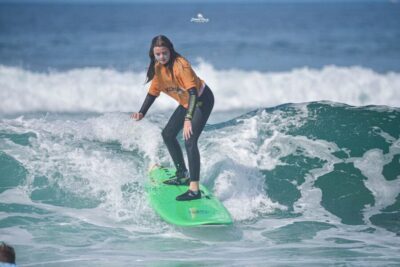
Playa de las Américas: Private or Small-Group Surf Lesson
Read our review →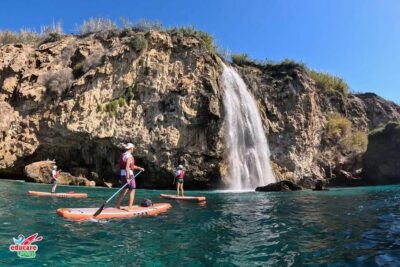
From Nerja: Guided Paddle Surf Cliffs and Maro Waterfall
Read our review →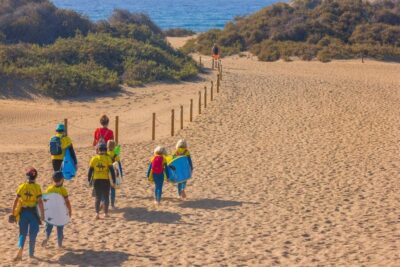
Playa del Inglés Maspalomas: High Quality Surf Classes
Read our review →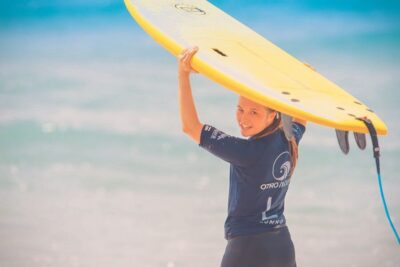
Fuerteventura: Surfing Lesson in the south of Fuerteventura
Read our review →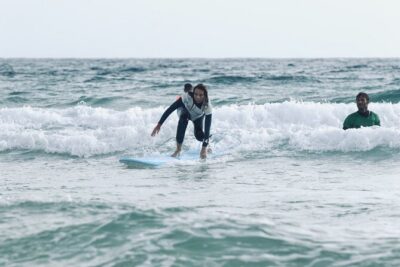
Lezioni di Surf per Beginner e Intermedi (6 persone a istruttore)
Read our review →
Browse the lists this tour appears in