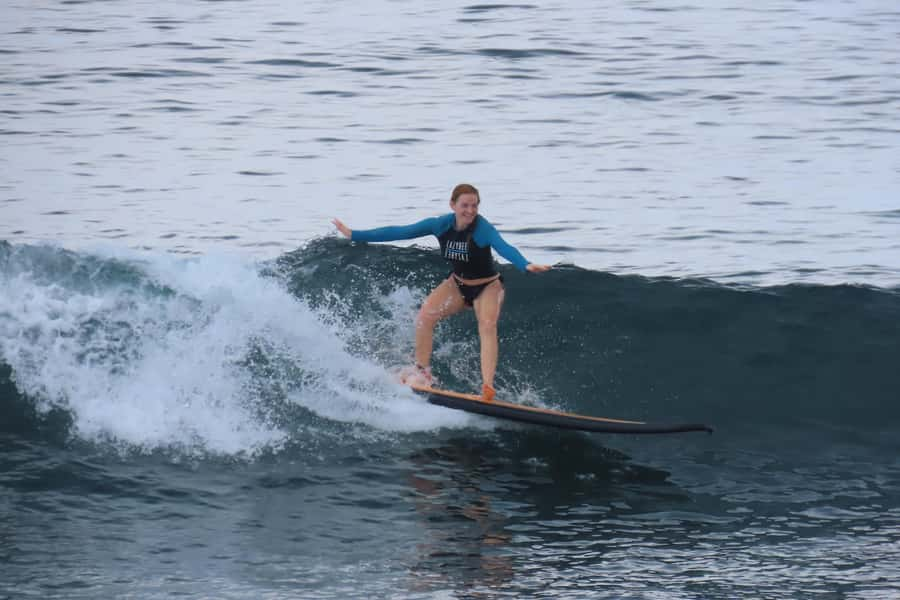
Review · INDONESIA
Uluwatu: Beginner & Intermediate Surf Lesson with Equipment
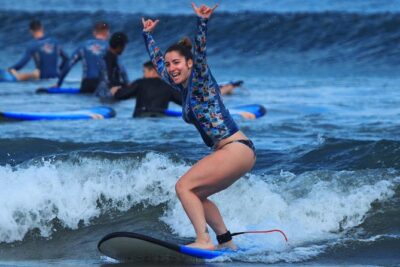
Uluwatu’s beginner surf lesson gets you from beach practice to real waves in one well-paced two-hour session. Instructors such as Luis and Irawan are praised for patient coaching, clear instructions, and knowing when to push you into the right break. You start on land, then spend two substantial sessions in the water.
I like the two-to-one instructor ratio, which gives you more help than a large beach class, and I like that lockers, showers, drinking water, sunblock, reef shoes, and surf equipment are included. The main catch is that paddling can be tiring, and Uluwatu’s waves may feel strong for a complete beginner. The beach can also change with the weather.
Key points
- Three possible beaches: The class may meet at Balangan, Jimbaran, or Dreamland Beach, depending on the day’s waves and weather.
- A clear two-hour structure: Expect 15 minutes of theory, 45 minutes in the water, a 10-minute break, and a final 50-minute practice session.
- Plenty of coaching: There is one instructor for every two students, with one instructor per child under 12.
- Good beginner support: Coaches explain how to paddle, lie on the board, stand, catch waves, and stay safe.
- Photos and videos included: Book with at least one other person and you receive pictures and video of your session.
- Useful beach facilities: Equipment, reef shoes, a rash guard, sunblock, lockers, showers, and mineral water are included.
Three Uluwatu beaches, chosen for the day’s waves
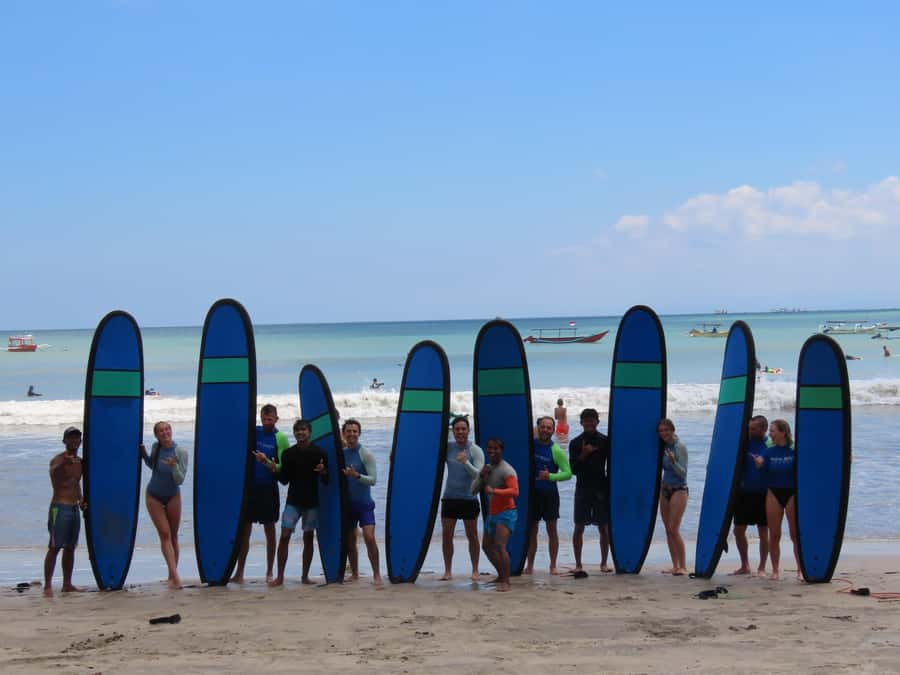
This is not a fixed beach sightseeing trip. You are booked for a surf session, and the provider may choose Balangan, Jimbaran, or Dreamland Beach according to the weather and wave conditions.
That flexibility is important in Bali. Surfing depends on the day, the tide, wind, and swell. A change of beach may sound inconvenient if you planned your morning around one location, but it can make the lesson safer and more enjoyable. One participant described moving beaches after the original swell became too large, and the session still went ahead successfully.
Balangan, Jimbaran, and Dreamland each give you a different setting, but the key point is simple: the meeting beach is not guaranteed until conditions are checked. The provider contacts you if the schedule or location needs to change, so keep your phone available before the lesson.
The beaches also give you some attractive downtime after the class. You can stay and enjoy the sand and water after returning your equipment, then make your own way back to your hotel. Pick-up and hotel drop-off are not included, so plan your transport separately.
More Beginner Surf Lessons in Indonesia
- Legian Beach, Bali: Beginner or Intermediate Surf Lessons
★ 4.9 · 1,019 reviews - Kuta/Bali: Private Beginner & Intermediate Surf Lessons
★ 4.9 · 563 reviews - HOT PROMO. Beginner Surf Lessons in Bali
★ 5.0 · 193 reviews
What the first 15 minutes teach you on shore
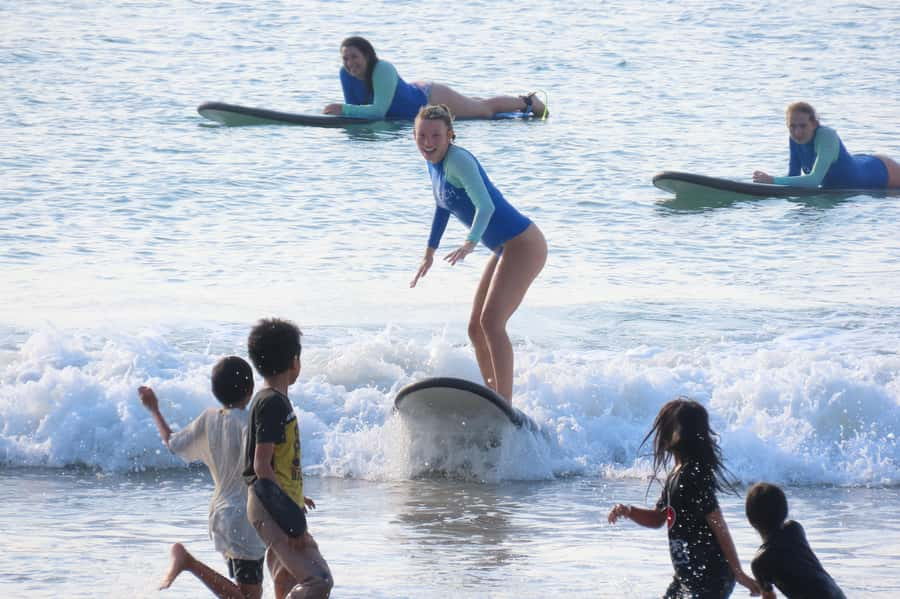
Your lesson begins with about 15 minutes of surf safety and theory. This is short, but it covers the basic actions you need before heading into the water: how to lie on the board, paddle, position your body, and stand up.
The land practice matters. Standing on a moving board is not just a matter of strength. You need to place your feet correctly, keep your weight centered, and rise in one controlled movement. A few instructors, including Repho, Aldin, and Irawan, are repeatedly praised for making these steps easy to understand.
You will also get an introduction to the beach conditions and safe surfing habits. That is especially useful at Uluwatu, where waves and currents can be more demanding than a calm swimming beach. One participant specifically noted that the waves can be aggressive and that being in decent physical shape helps.
At this point, you are fitted with the included surf equipment, rash guard, and reef shoes. You also have access to sunblock, a locker, a shower, and mineral water. Reef shoes are a useful inclusion because they give your feet some protection while you are moving around in shallow water, though you still need to listen closely to your instructor and avoid standing where you should not.
The first 45-minute water session
After the shore lesson, you spend about 45 minutes testing the technique in the water. For a first-timer, this is where the class becomes exciting and tiring at the same time.
Your instructor helps you choose a suitable wave and may give the board a push so you can focus on getting upright. That kind of help is useful during a first lesson. You are not trying to master every part of surfing at once. At the beginning, it is better to concentrate on body position and standing at the right moment.
The coaching ratio is one instructor for every two students. That gives you a reasonable chance of receiving direct corrections instead of waiting in a large group. If you are under 12, the ratio becomes one instructor per student, although children under nine are not accepted. The activity is also not suitable for people over 65.
Many beginners manage to stand after only a few attempts, but you should not treat that as a promise. Your result depends on balance, fitness, confidence, and the waves on the day. Some people catch several rides quickly. Others need more time to become comfortable paddling and timing their movement.
Paddling deserves special attention. It takes effort, and one participant who was not a strong swimmer found it tiring. You do not need to arrive as a skilled surfer, but you should be comfortable in the water and ready for sustained physical work. The lesson is active, not a short photo stop beside a board.
A 10-minute break that you will appreciate
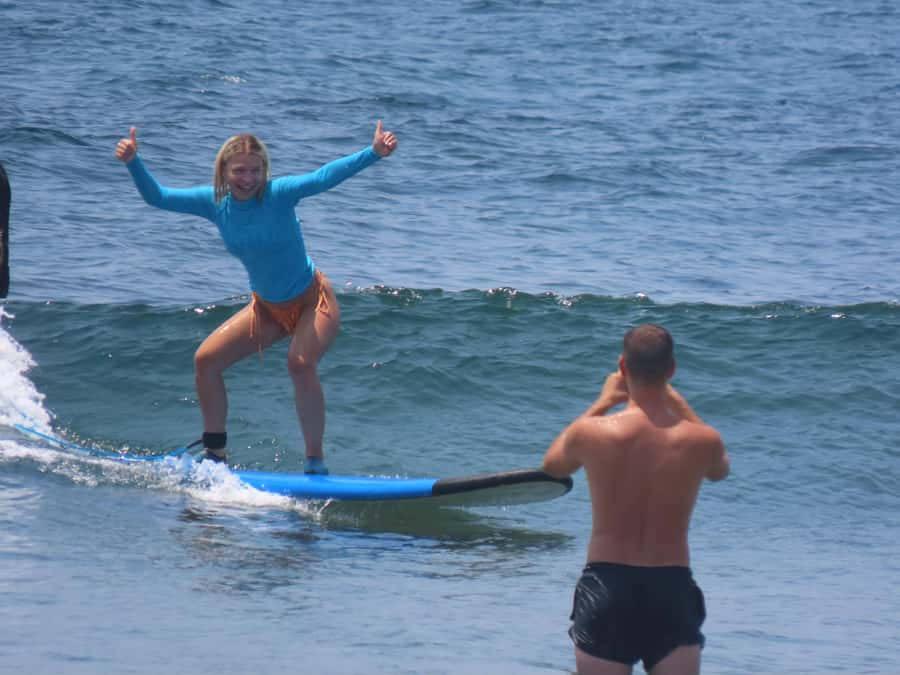
After the first water session, you get a 10-minute break. This is a small part of the schedule, but it makes sense. Surfing uses your arms, legs, and core, and beginners often spend more energy than expected simply getting back into position after a wave.
Use this pause to drink the included mineral water, catch your breath, and ask your instructor about anything that felt unclear. The break also gives you time to reset before the second practice period.
The included locker is useful here. You can leave your things secure while you are in the water, though the lockers are described as small. Bring only what you need for the activity, and pack swimwear and a towel. The shower lets you rinse off afterward.
More Intermediate and Advanced Surf Coaching in Indonesia
- Kuta Beach, Bali: Surf Lessons For Beginner & Intermediate
★ 5.0 · 72 reviews - Surfing Trip or Lesson with Coaching in Bali
★ 5.0 · 19 reviews - Gili Trawangan: Private Beginner & Intermediate Surf Lessons
★ 5.0 · 18 reviews - Bali: Beginner and Intermediate Surf lesson Nusa Dua
★ 4.3 · 7 reviews
The final 50 minutes, where the lesson starts to click
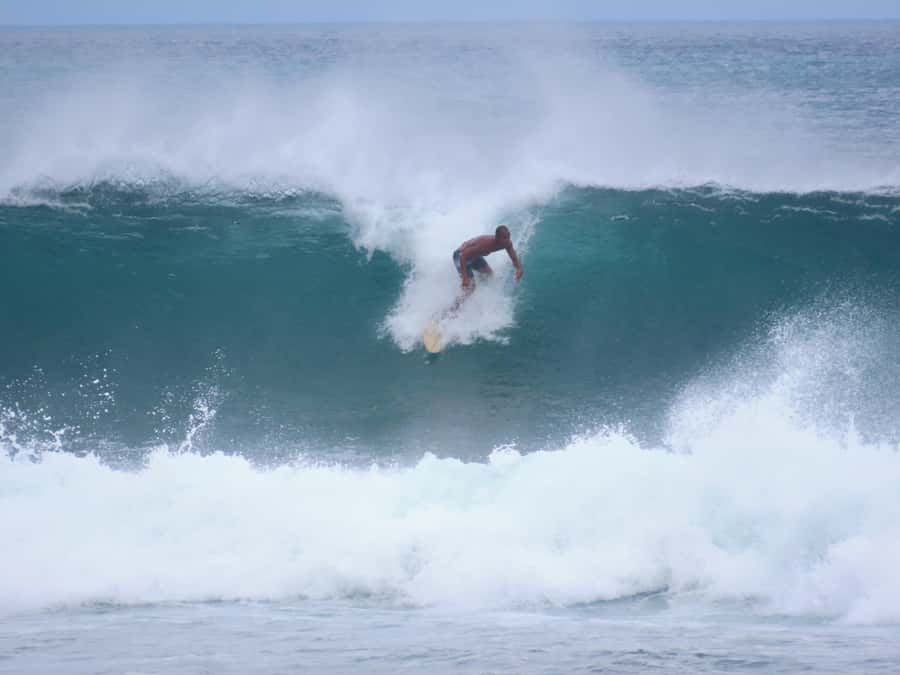
The last 50-minute practice session is the longest single part of the class. By now, you have had time to feel how the board moves and to understand the basic sequence: paddle, prepare, rise, and keep your balance.
This is also when the instructor can give more personal advice. Luis is praised for placing intermediate students in the right break and helping them improve, while Irawan is often singled out for patient beginner support. Aldin is described as calm and informative in the water. These details matter because good surf teaching is not only about enthusiasm. It is about knowing when to give a tip, when to push a wave, and when to keep you out of trouble.
Intermediate surfers should be clear about their level at the start. This is not presented as a high-performance coaching camp, but the lesson can help you regain confidence after time away from the sport or improve your wave choice. One returning surfer valued the advice after not surfing for several years.
For a beginner, success might mean standing once and riding toward shore. For another person, it might mean catching several waves, improving foot placement, or feeling safe enough to try again. I would judge the class by the quality of the instruction and your comfort in the water, not only by how long you stay upright.
The instructors are the main reason to book
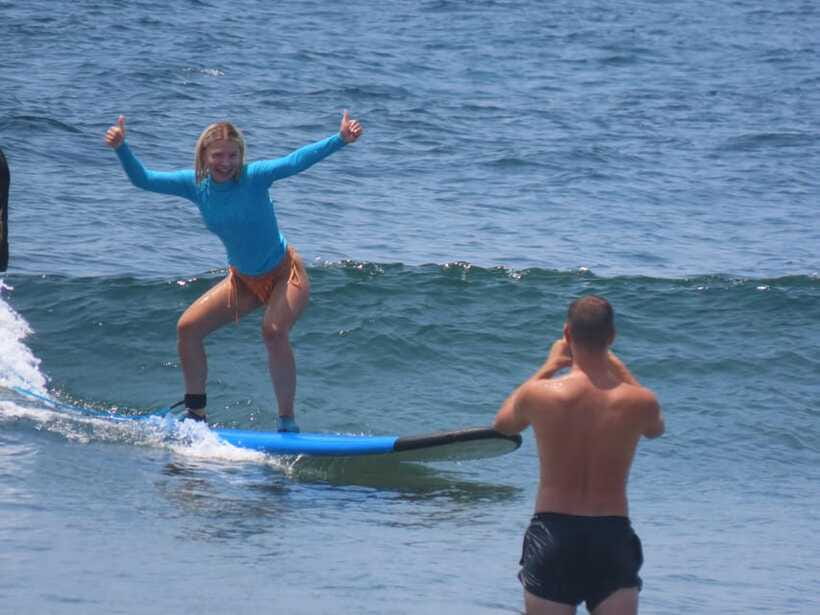
The strongest part of this experience is the teaching. Names that come up repeatedly include Luis, Irawan, Repho, Aldin, Lewis, Gustav, Yasmin, Bryan, and Won. The exact instructor depends on the day, but the pattern is clear: the coaching is friendly, encouraging, and focused on safety.
Luis is a good name to know if you are looking for patient guidance, especially for beginners and intermediate surfers. Irawan is praised for clear explanations and steady support. Repho is noted for making the instructions easy to follow, while Aldin is described as calm and informative.
You should still remember that instructor assignments are not guaranteed. The important feature is the small teaching ratio, not one particular coach. With up to six participants, the class remains smaller than a mass beach lesson, and the two-to-one structure gives you more attention during the water practice.
The instructors also help create a relaxed mood. That matters if you are nervous. Surfing involves falling, starting again, and looking slightly awkward for a while. A coach who keeps things light without ignoring safety can make the difference between giving up and trying one more wave.
Photos, videos, and the practical extras
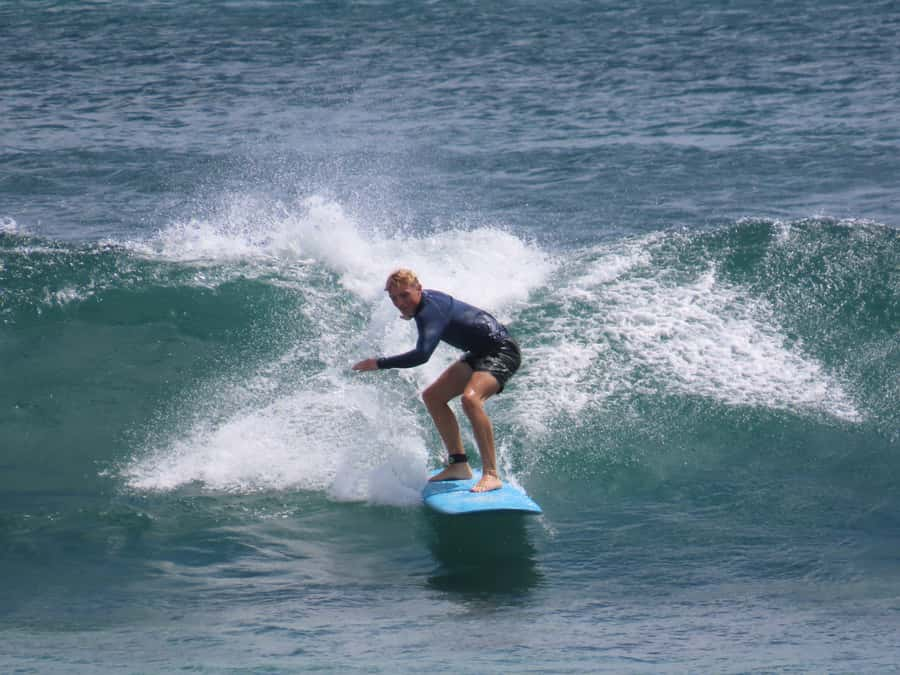
If at least two people book together, photos and videos are included. This is a useful bonus because it lets you see your stance and remember the first successful rides without paying an added fee for the media.
The pictures are also helpful for learning. You may notice that your feet were too close together, your shoulders were turned the wrong way, or you stood too early. Do not expect a professional surf film, but having visual records of the session adds real value.
The equipment package covers the main needs: surfboard, rash guard, reef shoes, sunblock, locker, shower, and mineral water. You only need to bring swimwear and a towel. Since the class takes place at the beach, you may also want to keep your personal packing light.
There is no hotel transport. That keeps the price lower, but it means you must arrange your own way to the beach and back. After the lesson, you can stay on the beach and leave when you like, which is handy if you want a relaxed afternoon rather than returning immediately to your hotel.
Is $36 a fair price for two hours?
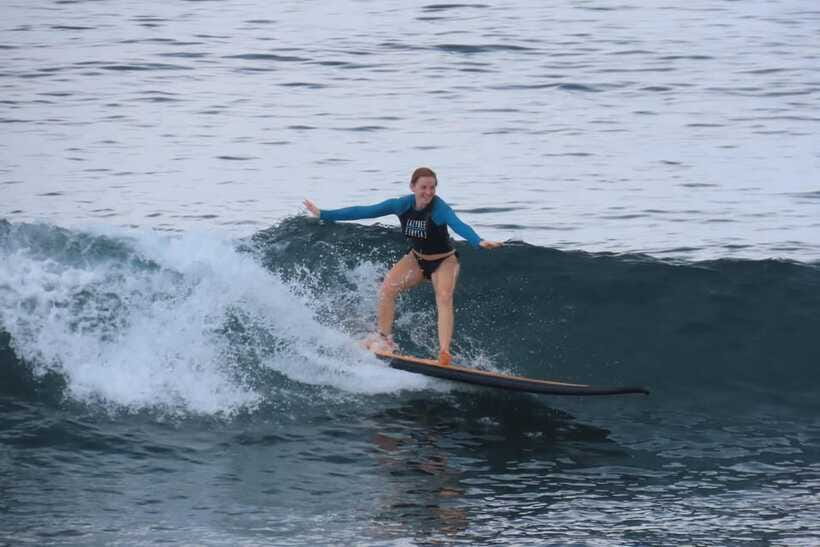
At $36 per person, this is a solid-value introduction to surfing, especially if you use the included facilities and receive the photos and videos. You are not paying only for board rental. The price includes instruction, equipment, safety guidance, beach support, a locker, shower, sunblock, reef shoes, rash guard, and water.
The two-hour schedule also gives you meaningful practice time. After 15 minutes of theory and a 10-minute break, you have 95 minutes split between two water sessions. That is enough time to repeat the basic movement and make adjustments.
The value is strongest for first-timers and couples or friends booking together. You share the excitement, qualify for the included media, and still receive a low instructor-to-student ratio. Solo participants can book, but the photos and videos are only included when at least two participants book together.
I would not choose this class if you want hotel transport, a private full-day coach, or advanced technical surf training. I would choose it if you want an organized, reasonably priced first lesson with the basics handled for you.
Safety, fitness, and choosing the right level
You do not need previous surf experience. The class is designed for beginners and intermediate surfers, and the instructors explain the fundamentals before you enter the water.
You do need to be ready for physical effort. Paddling, pushing yourself back onto the board, and repeated attempts can be tiring. The waves may feel powerful, so beginners who are uneasy in the water should say so clearly to the instructor before starting. The coaching is built around safety, but no lesson removes the natural demands of the ocean.
The activity accepts children from age nine, with a one-to-one instructor ratio for anyone under 12. It is not suitable for children under nine or people over 65. The supplied information does not give a separate swimming requirement, so you should assess your own comfort in the water before booking.
Weather and wave conditions can alter the timing or beach. That is not a flaw in the lesson. It is a normal part of surf planning. If conditions make the original plan unsuitable, the provider may arrange another time or date.
Who will enjoy this lesson most?
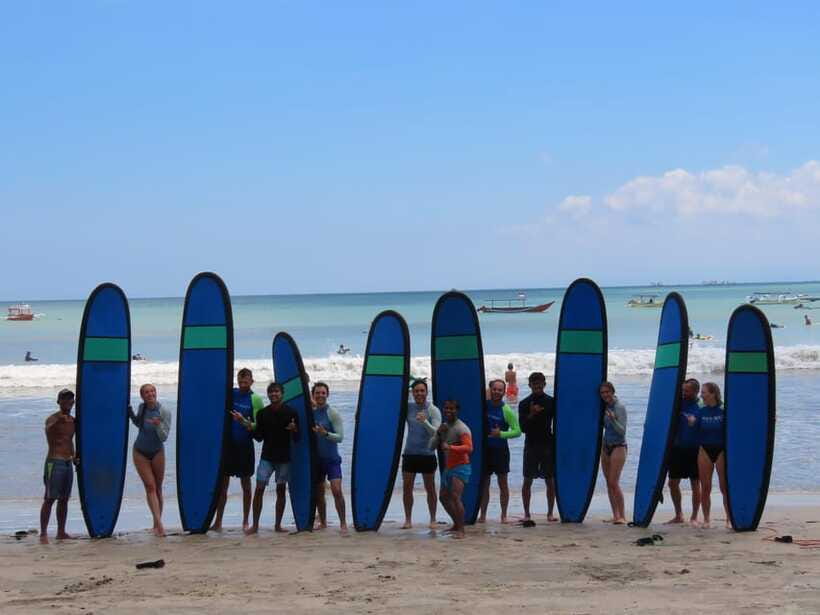
I would recommend it to first-time surfers who want more guidance than a casual board rental provides. You get practical instruction, repeated attempts, and a coach who can help you catch a suitable wave.
It also suits couples and friends. Booking together can give you the included photos and videos, and the two-to-one ratio keeps the class personal without the cost of a private lesson.
Intermediate surfers may enjoy it if they want to rebuild confidence or get advice on wave placement. The class is less suited to experienced surfers seeking advanced maneuvers, detailed video analysis, or a full day of surfing.
You should also be comfortable with a flexible plan. The beach and timing may change, and you need to arrange your own transport. In return, you get a small class, useful facilities, and a good amount of time in the water.
Should you book the Uluwatu surf lesson?
Book this experience if you want a friendly first step into surfing and value hands-on instruction. The standout benefits are the two-to-one coaching, flexible beach choice, included equipment, and generous water time.
Think twice if you dislike physical exertion, feel uncomfortable in ocean conditions, or need hotel transfers. The waves can be challenging, paddling is tiring, and the exact beach may change.
For most able-bodied beginners aged nine to 65, I would call this a sensible Uluwatu activity. You get a real chance to stand on a board, plenty of encouragement, and useful memories to take home. Just bring swimwear and a towel, keep your schedule flexible, and expect to work for those first rides.
FAQ
How long does the surf lesson last?
The activity lasts two hours. It includes 15 minutes of safety and theory, a 45-minute water session, a 10-minute break, and a final 50-minute practice session.
Which beach will the lesson use?
The lesson may take place at Balangan, Jimbaran, or Dreamland Beach. The provider chooses the location according to the weather and wave conditions.
Is surf equipment included?
Yes. Surf equipment, a rash guard, reef shoes, sunblock, mineral water, locker storage, and a shower are included.
Are photos and videos included?
Photos and videos are included when at least two participants book together. Solo bookings do not receive this stated media inclusion.
How many people are in the group?
The class is limited to six participants. The normal teaching ratio is one instructor for every two students, while children under 12 receive one instructor each.
What should I bring?
Bring swimwear and a towel. The activity provides the surf gear, rash guard, reef shoes, sunblock, locker, shower, and mineral water.
Can the time or beach change?
Yes. Weather and wave conditions may require a change of schedule or location. The provider will contact you, and if the lesson must be canceled, another suitable time or date can be arranged.
Latest surf sessions around Indonesia
- Uluwatu: Surf Lessons Beginner★ 5.0 · 3 reviews
- 2-Hour Canggu Private Guided Surfing Experience in Bali★ 5.0 · 3 reviews
- Surf lesson | Energy surfschool krui★ 5.0 · 3 reviews
- Surfing Lesson in Canggu★ 5.0 · 2 reviews
- Surfing Trip or Lesson with Coaching in Bali★ 5.0 · 19 reviews
- Private One on One Surf Lesson in Canggu area – Bali★ 5.0 · 13 reviews
- Private Experience Surf Lessons in Canggu★ 5.0 · 9 reviews
- 2 hour Private Bali Surf Lesson in Seminyak★ 5.0 · 6 reviews
Indonesia Surf Lessons, compared.
Legian Beach, Bali: Beginner or Intermediate Surf Lessons
Read our review →
Kuta/Bali: Private Beginner & Intermediate Surf Lessons
Read our review →
Canggu: 2-Hour Surf Class with a Professional Instructor
Read our review →

Surf Lesson with a Personal Instructor at Kuta Beach
Read our review →