
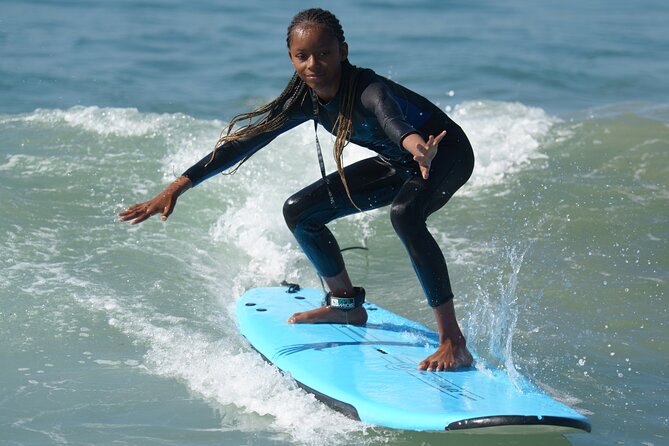
Review · USA
2 Hour Private Surf Lesson in Miami Beach
Miami Beach is a friendly place to learn the basics of surfing, and this private lesson gives you room to work at your own speed. You’ll begin with 20 to 30 minutes on the beach, then move into the water with an instructor for roughly an hour. The boards are included, so you can focus on balance, timing, and getting up rather than on renting gear.
I like two things here: the private format, which lets the instructor adjust the lesson to your level, and the simple setup, with morning or afternoon times and a locked van for valuables. Stephen, one instructor praised for teaching safety and form, also gives a good idea of the lesson’s practical approach.
The main concern is the ocean itself. If the waves disappear, the surf portion may not go ahead as planned. A land lesson and paddleboard option are offered in principle, but one early-morning booking was canceled at very short notice when conditions went flat, so you should leave some flexibility in your schedule.
Key points to know before booking
- Private two-hour lesson: Your group receives instruction without being placed with strangers.
- Beach training first: Expect 20 to 30 minutes of practice before entering the ocean.
- Long water session: About 60 to 80 minutes are spent surfing with an instructor, followed by personal practice time.
- Boards included: You do not need to arrange a separate surfboard rental.
- Suitable for ages five and up: A moderate level of physical fitness is required.
- Weather matters: Flat or poor conditions can change the plan, so keep your day flexible.
Starting at Washington Avenue Parking Lot 3
Your meeting point is Miami Beach Parking Lot 3 at Washington Avenue, Miami Beach, Florida 33139. The lesson ends at the same place, which keeps the arrangement easy to understand, especially if you are fitting it between beach time and other plans.
The parking lot location is practical, but parking deserves attention. One customer paid $30 for parking before a very late cancellation, so I would not rush to pay for a long parking period until the lesson is confirmed and you have checked the day’s conditions. The activity is near public transportation, which may be a better choice if that works with your plans.
Bring only what you need onto the beach. The instructor offers storage for belongings and valuables in a locked van. That is useful for phones, wallets, and car keys, although I would still keep your personal items to a minimum.
You should receive confirmation at booking. The activity is offered in English, and service animals are allowed. Since the lesson includes beach movement, paddling, standing, and repeated attempts to get up on a board, you need a moderate level of physical fitness.
More Private Surf Lessons in the USA
- Private Surf Experience
★ 5.0 · 200 reviews - Private Surf Lesson for Two Near Lahaina
★ 5.0 · 189 reviews - Private Surfing Lessons in Waikiki
★ 5.0 · 176 reviews
The first 20 to 30 minutes on the sand
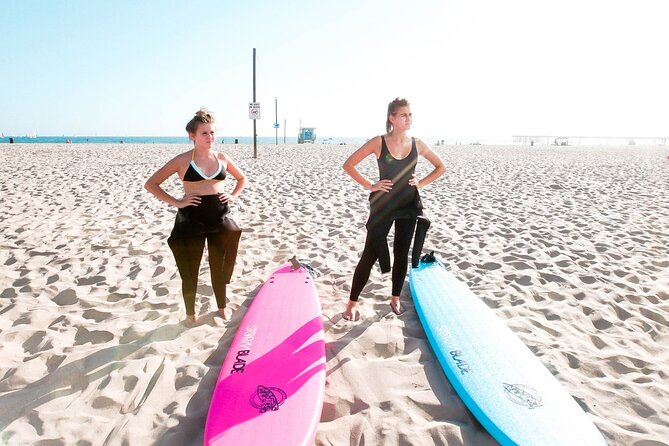
The lesson begins away from the waves, where you can work through the basic movements without the added pressure of moving water. This part matters more than it may sound. Beginners often try to rush straight into the ocean, then spend the first several minutes forgetting what their feet and hands should do.
On the beach, you can expect instruction on how to handle the board, how to position yourself, and how to move from lying down to standing. The exact teaching style depends on your instructor and your group, but the stated aim is to cover safety and form before you begin catching waves.
The beach session is also where the instructor can see how quickly you pick things up. A complete beginner may need more time with balance and foot placement. An upper-intermediate surfer may instead use this period to correct technique or prepare for the day’s conditions.
I like this structure because it gives you a clear start. You are not simply handed a board and sent into the water. The lesson begins with a short explanation, then gives you a chance to rehearse the movements before conditions make them harder.
About 60 to 80 minutes with an instructor in the ocean
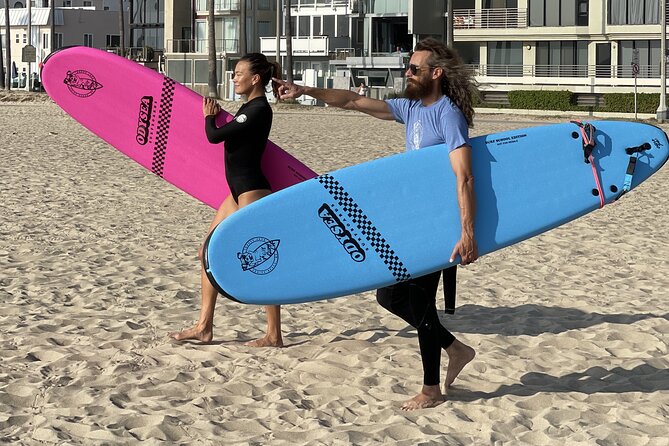
After the beach training, you spend roughly an hour in the water with your instructor. This is the main part of the lesson, and it is where the private format can be most useful. A beginner may need repeated reminders about when to paddle or how to rise, while a more experienced surfer may need less basic instruction and more help with timing.
One especially positive account praised Stephen for covering safety, form, and then giving plenty of chances to catch waves. That is the right balance for a first lesson. You want enough instruction to stay safe and improve, but you also need repeated attempts. Surfing is learned through doing, not by listening to a long talk on shore.
The water section is not a promise that you will stand on every wave. Your results will depend on your fitness, comfort in the water, balance, and the conditions on the day. The lesson is designed for beginners through upper-intermediate surfers, so the instructor should be able to shape the pace around your ability.
For a first-timer, success may mean standing briefly or learning how to catch a small wave safely. For someone with some prior experience, the useful part may be improving takeoff technique or getting better at reading the water. The private arrangement gives you a better chance of receiving corrections meant for you rather than generic advice aimed at a whole class.
Your remaining time to practice independently
After the guided water session, you have time to practice your skills and have fun. This is a useful part of the two-hour format because the lesson does not end the instant the instructor finishes the formal teaching.
You can use this time to repeat the movement that gave you trouble earlier. If you are new to surfing, you may want to focus on getting comfortable on the board and trying the same basic sequence again. If you are closer to upper-intermediate level, you may prefer to work on catching more waves with less help.
The amount of useful practice you get depends on the day’s conditions and your energy. Surfing can be tiring, especially for a first session, so do not feel that you have failed if you need a break. The point is to turn the instructor’s advice into something your body remembers.
The activity ends back at the meeting point. You are not left to arrange a separate ride from another beach location, which makes the timing easier to manage.
Same water, another way to ride it:
- Maui: Two Hour Beginner Group Surf Lesson in Kihei
★ 5.0 · 950 reviews - UTV Dune Cruise and Surf at Coral Pink Sand Dunes
★ 5.0 · 785 reviews - Open Group Surfing Lesson in Waikiki, Hawaii
★ 4.5 · 582 reviews - Outrageous Surf ScHool Lesson on Lahaina Side
★ 4.5 · 547 reviews
What happens when the ocean is flat
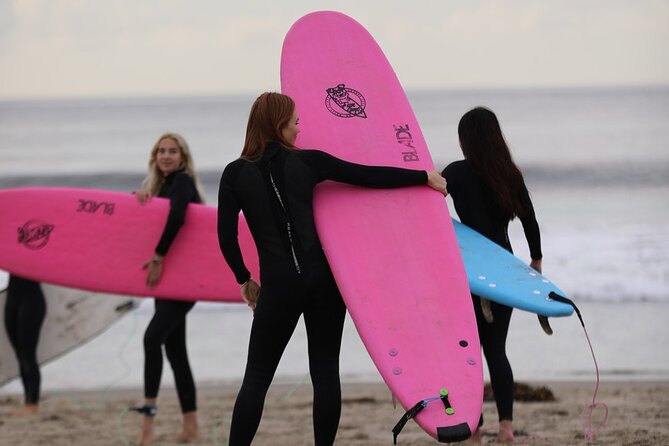
The biggest practical issue is the possibility of no waves. The provider states that on completely flat days, you will still receive a regular land lesson using surfboards. You may then be offered the chance to practice in the ocean with surfboards or stand-up paddleboards.
That backup plan is sensible in theory, but it has an important limitation: equipment may not be ready right away. One 8 AM session was canceled just three minutes before the start after the ocean turned flat. The paddleboard alternative was not available immediately and would have required waiting two or three more hours, which did not work for a tightly planned day.
This does not mean every flat day will unfold that way. Ocean conditions can change quickly, and an early forecast may no longer match what you find at the beach. Still, you should treat the paddleboard option as a possible alternative, not a guaranteed activity at the original start time.
If surfing is the main reason for booking, avoid placing an important reservation immediately afterward. A flexible morning gives the provider more room to adjust the lesson, and it protects you from losing part of your day if equipment must be moved or prepared.
Is $125 a fair price?
The price is $125 per person. That is not the cheapest way to spend two hours at Miami Beach, but the value depends on what you need.
You are paying for a private activity, an instructor, surfboards, a guided ocean session, and time to practice. A private lesson can be worth more than a larger class if you are a nervous beginner, if members of your group have different abilities, or if you want direct corrections instead of waiting for an instructor to reach you.
The board being included also simplifies the booking. You do not need to compare rental shops, choose equipment, or carry a board to the beach before the lesson. Storage in the instructor’s locked van adds another small convenience.
The price is less attractive if the main session is canceled and the substitute cannot be arranged during your available window. That is why the weather and cancellation terms matter as much as the headline price. You can cancel for a full refund up to 24 hours before the start, but changes made within 24 hours are not accepted and the payment is not refunded if you cancel inside that period.
If the provider cancels because of poor weather, you are offered another date or a full refund. The same applies if the minimum number of participants is not met. The flat-ocean situation is the gray area to watch closely, since a session may be affected by conditions without fitting neatly into the weather cancellation scenario you had in mind.
Who will get the most from this lesson?
This is best for a beginner who wants personal attention and does not want to learn in a large group. It also suits an upper-intermediate surfer who wants a focused session rather than a basic rental with no instruction.
Families may find the private setup convenient because only your group participates. The minimum age is five, though a child’s comfort in the water and physical ability will still matter. A five-year-old and an adult beginner will not have the same needs, so tell the provider your group’s ages and experience when booking.
Couples can also make good use of the format. One person may be completely new while the other has tried surfing before, and a private instructor can adjust the advice as the lesson moves along.
I would be more cautious if you have a rigid schedule, have already paid a large amount for parking, or need a guaranteed water activity at a precise hour. Nature is part of the deal, but the late-cancellation account shows that the backup plan may not always fit neatly into your plans.
Morning or afternoon: choosing your timing
Morning and afternoon lessons are available, so you can choose the slot that fits your day. The best choice is the one that leaves room around the lesson rather than the one that creates a tight chain of reservations.
An early lesson may appeal if you want to finish before the rest of your day begins. It also means you should check for last-minute communication and avoid committing to costly parking too far in advance. An afternoon lesson may fit better if you want a slower start, but you should still allow time for the physical effort of the session.
The supplied information does not promise a particular wave size or condition for either time. Do not book based on the assumption that one daily slot will always produce better surf. The important point is flexibility.
Safety, equipment, and comfort
Surfboards are provided and included in the price. That removes one of the main hassles for a first lesson and lets the instructor match the activity to your level as the session develops.
The beach briefing is meant to cover safety before you enter the ocean. Take that part seriously, even if you are eager to start. Listen closely to instructions about handling the board and working around other people in the water.
Service animals are allowed, and the activity is near public transportation. Your belongings can be stored in a locked van, but I would still bring only essential items. Wet clothes, towels, and personal valuables are easier to manage when you have a simple bag rather than several loose items.
A moderate level of fitness is required. The lesson may feel easy at first, then become tiring after repeated paddling and standing attempts. Pace yourself, take breaks when needed, and do not judge the session only by how many times you stand.
My call: book it with a flexible plan
I would book this private surf lesson if you want a personal introduction to surfing, value included equipment, and can accept that ocean conditions control the day. The strongest parts are the private attention, the clear beach-to-water structure, and the chance to practice after the formal instruction ends.
I would not book it for a tightly scheduled day when a last-minute change would cause major trouble. The early cancellation account raises a fair concern about communication and the timing of the flat-day alternative. If you do book, leave room around the lesson, confirm the details, and avoid paying for extended parking before you know the session is going ahead.
For a first-time surfer with a relaxed Miami schedule, $125 can be reasonable. You get a board, an instructor, a private group, and a full two-hour format. Just remember that you are booking time with the ocean, not a guaranteed supply of waves.
FAQ
How long is the private surf lesson?
The lesson lasts approximately two hours. It includes beach instruction, guided time in the ocean, and additional time to practice.
Where does the activity begin and end?
The lesson begins at Miami Beach Parking Lot 3 on Washington Avenue, Miami Beach, Florida 33139. It ends back at the same meeting point.
Are surfboards included in the price?
Yes. Surfboards are provided and included in the $125 per-person price.
How much time is spent on the beach before surfing?
The beach portion lasts about 20 to 30 minutes. You then spend approximately 60 to 80 minutes in the ocean with an instructor.
Who can take the lesson?
The lesson is designed for beginner through upper-intermediate surfers. The minimum age is five, and participants should have a moderate level of physical fitness.
Can I choose a morning or afternoon lesson?
Yes. Morning and afternoon lesson times are available.
What happens if there are no waves?
On completely flat days, the provider states that a land lesson will be given. You may also be offered the chance to use surfboards or stand-up paddleboards in the ocean, although availability and timing may vary.
What is the cancellation policy?
You can cancel at least 24 hours before the start time for a full refund. Cancellations or changes made within 24 hours are not refunded or accepted. If the provider cancels because of poor weather or because the minimum number of participants is not met, you will be offered another date or a full refund.
More Two-Hour Experiences in the USA
- Maui: Two Hour Beginner Group Surf Lesson in Kihei
★ 5.0 · 950 reviews - Oahu: Waikiki 2-Hour Beginner Group Surf Lesson
★ 4.9 · 191 reviews - 2 Hour Beginner Group Surf Lessons
★ 5.0 · 154 reviews - Shared 2 Hour Small Group Surf Lesson in Santa Monica
★ 5.0 · 144 reviews
Latest surf sessions around the USA
- Waikiki: Family, Private, and Group Surfing Lessons★ 5.0 · 4 reviews
- Waikiki: Surf Lessons Easy 60 min classes no crowds!★ 4.9 · 21 reviews
- Astonishing Scavenger Hunt: Surf, Sand and Sculptures!★ 3.0 · 2 reviews
- Two- Hour Group Surfing Lesson in Cocoa Wrightsville Beach, NC★ 5.0 · 13 reviews
- Electric Bike Rentals in Topsail Island and Surf City★ 5.0 · 2 reviews
- Surf Lesson in Santa Barbara★ 3.0 · 2 reviews
- 1-on-1 Private Surf Lesson in Santa Barbara★ 5.0 · 4 reviews
- Surf lesson with KTO Yoga Surf★ 4.0 · 5 reviews
USA Surf Lessons, compared.
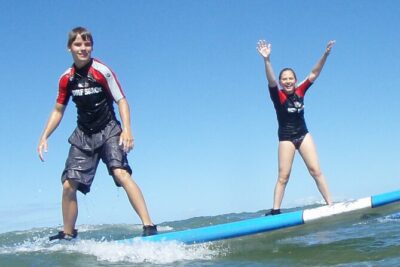
Maui: Two Hour Beginner Group Surf Lesson in Kihei
Read our review →
UTV Dune Cruise and Surf at Coral Pink Sand Dunes
Read our review →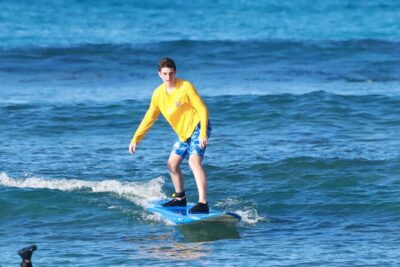


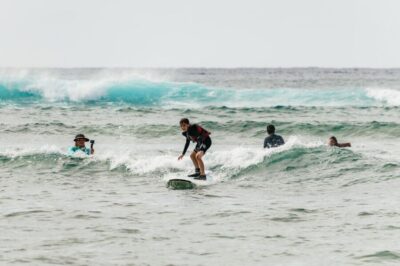
Oahu: Beginner-Friendly Waikiki Beach Surfing Lesson
Read our review →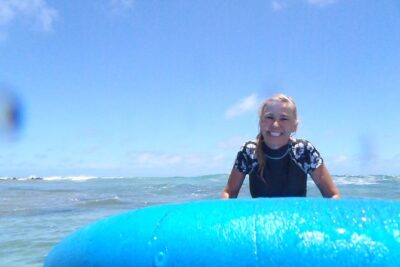

Private Hanalei Sandy Bottom Surf Lesson on Kauai
Read our review →Browse the lists this tour appears in